Some plants play an essential role in supporting the pollinators around us. These plants do an exceptional job of attracting, hosting, and feeding the caterpillars of butterflies, moths, and bees native to our region. A list of these essential players developed by the National Wildlife Federation brings awareness and encourages gardeners to grow these keystone plants to support the most insects possible.
Keystone Perennials
The Key to Supporting Wildlife in Your Garden
what is a
keystone plant?
What is a keystone plant, you ask? The keystone species concept was first used by Robert Paine, an ecologist, in the 1960s. It refers to any animal, plant, or organism that acts as the “glue” that holds a habitat together. In 2021, the NWF collaborated with entomologist Doug Tallamy and pollinator conservationist Jarrod Fowler to publish a list of the top key plants for sustaining wildlife. This keystone plant list includes plenty of plants you may already know!
Echinacea spp.
Coneflower
Coneflower (Echinacea spp.) is also ecologically significant to pollinators, attracting bees with its flowers and songbirds with its pronounced seed cones that develop as flowers mature.
Goldenrod
Solidago spp.
Goldenrod (Solidago spp.) appears late summer into fall to supply forage for more than one hundred caterpillars and thirty bees. Often confused with the not-so-desirable ragweed, Goldenrod it one of the most underrated keystone perennials. But have no fear, this perennial powerhouse blooms late in the season, extending the garden’s bloom period.
Coreopsis spp.
Tickseed
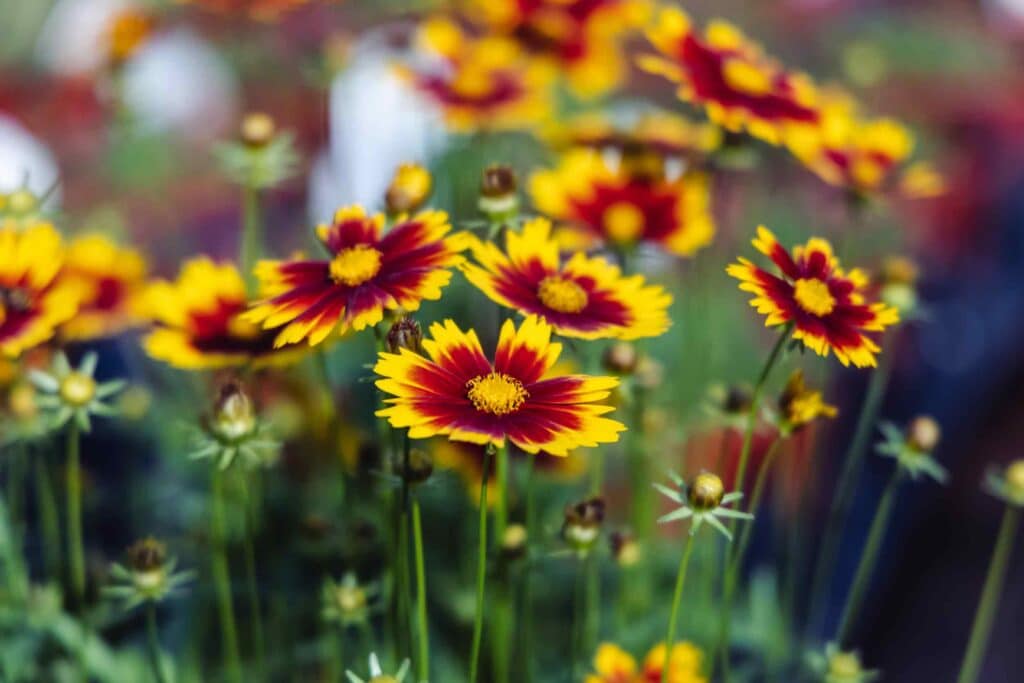
Tickseed (Coreopsis spp.) also supports dozens of caterpillars and bees in their own right, but in a smaller package, ranging only 1 to 4 feet tall.
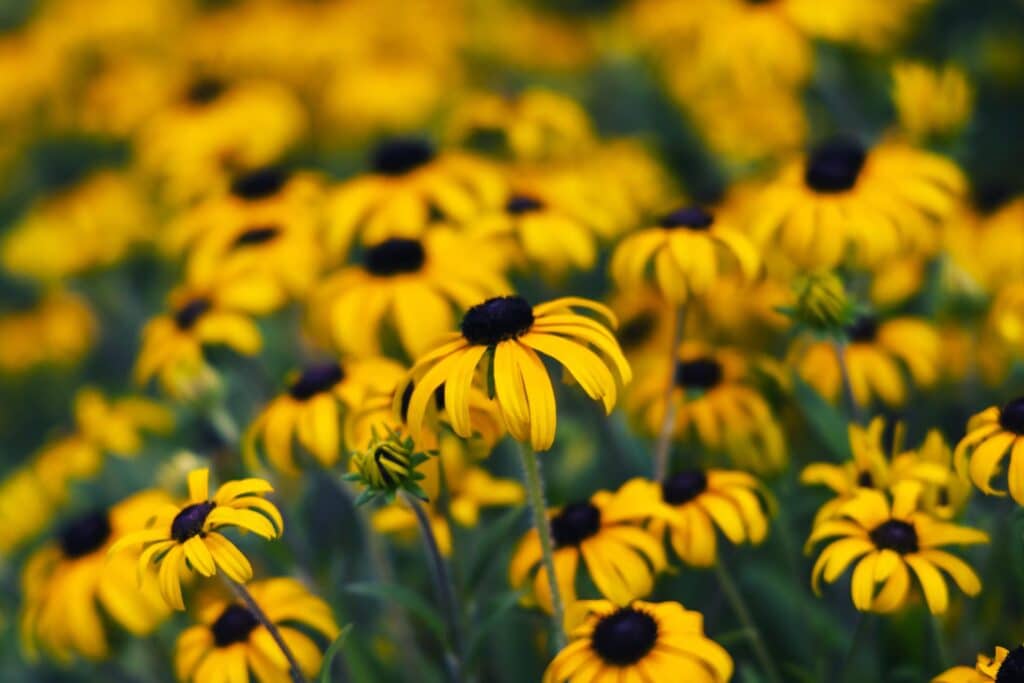
Black Eyed Susan
Rudbeckia spp.
Black-eyed Susan (Rudbeckia spp.) supports dozens of caterpillars and bees in its own right. This gorgeous, late-season bloomer provides bloom power and color well into fall.
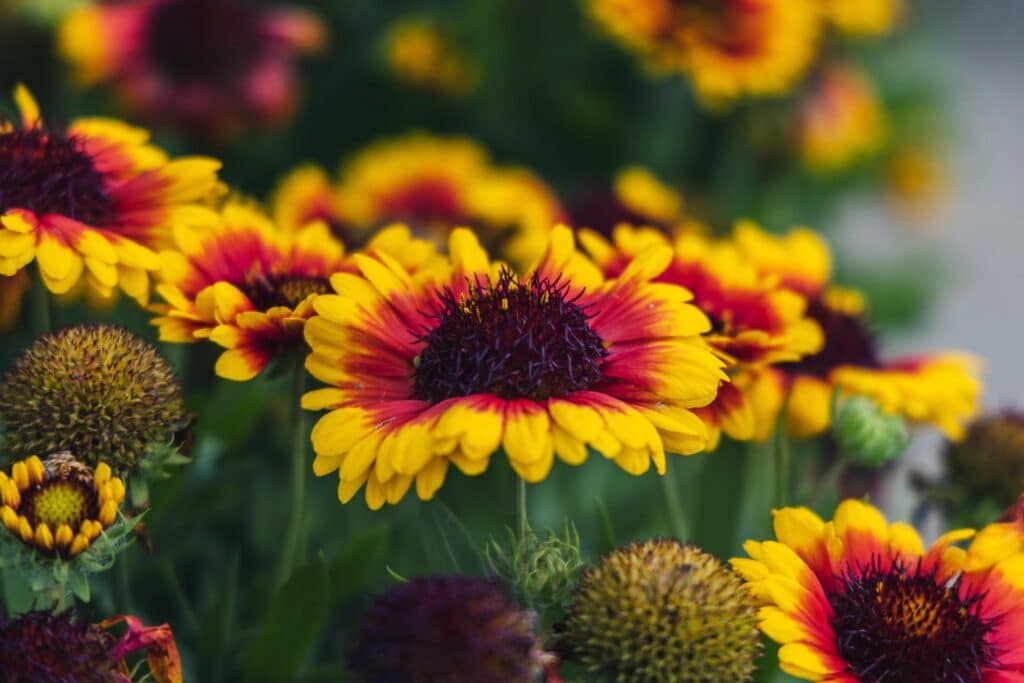
Gaillardia spp.
Blanket Flower
Blanket Flower (Gaillardia spp.) develops a prominent, central eye filled with pollen and nectar for pollinators to enjoy. This perennial powerhouse blooms in a mixture of hot colors including scarlet red, burnt orange to golden yellow.
Aster spp.
Aster
Aster appears late summer into fall to supply forage for more than one hundred caterpillars and thirty bees. This provides critical pollinator support at the end of the season, while at the same time extending the garden’s bloom period.
Helen's Flower
Helenium spp.
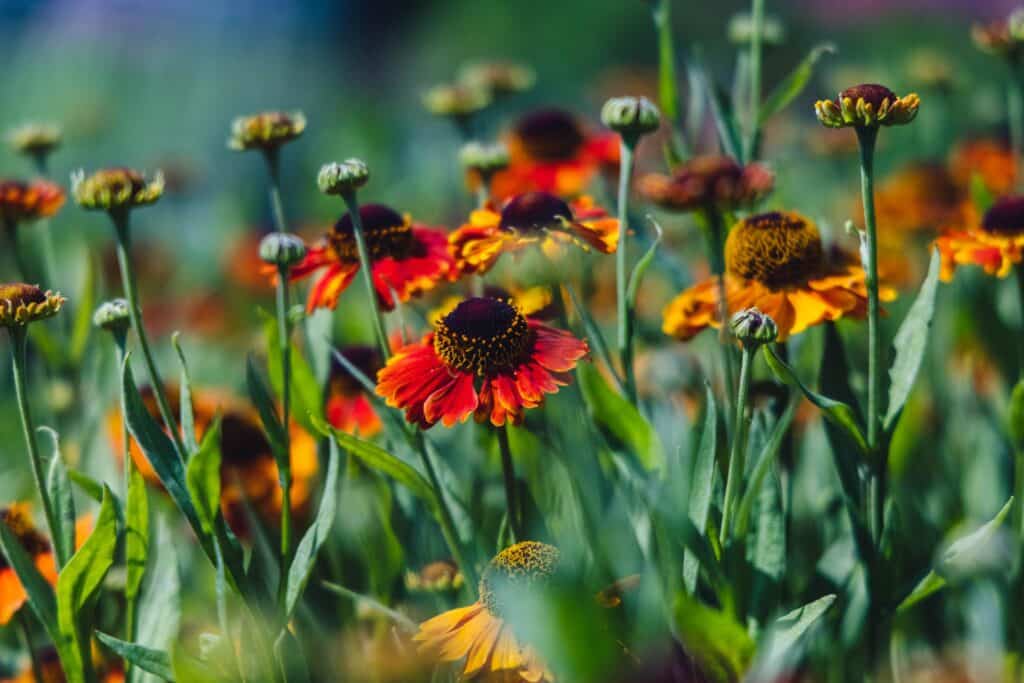
Helen’s Flower (Helenium spp.) is a tall, clump forming, perennial that produces daisy-like flowers. Its prominent, central eye is filled with pollen and nectar, making it perfect for pollinators.
Perennial Sunflower
Helianthus spp.
Sunflower (Helianthus spp.) is a stunning member of this family, but sadly, the perennial type is rarely recognized. Perennial sunflowers are often overshadowed by their showy, popular annual cousins, yet these perennials are just as productive in helping to sustain more than fifty beneficial insect species, and don’t require re-planting. Their composite flowers are favorites of pollinators because they are made of lots of individual flowers put together.
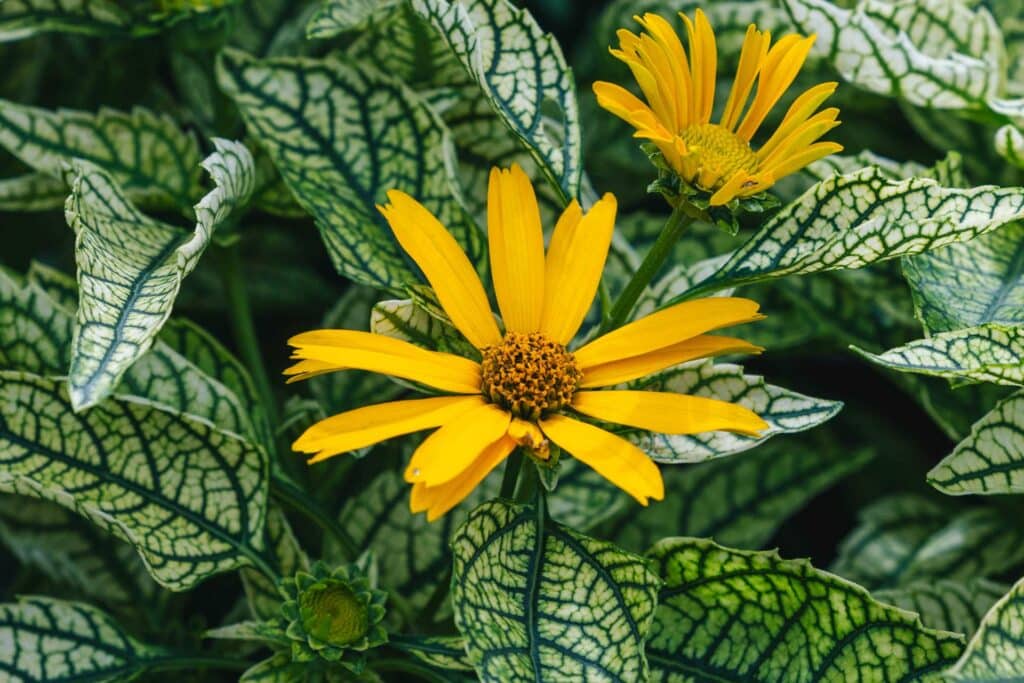
False Sunflower
Heliopsis spp.
False Sunflower (Heliopsis spp.) produces showy, deep golden yellow daisies with deep mahogany centers atop sturdy, green to burgundy stems. Their prominent, central eye filled with pollen and nectar makes them very attractive to pollinators.
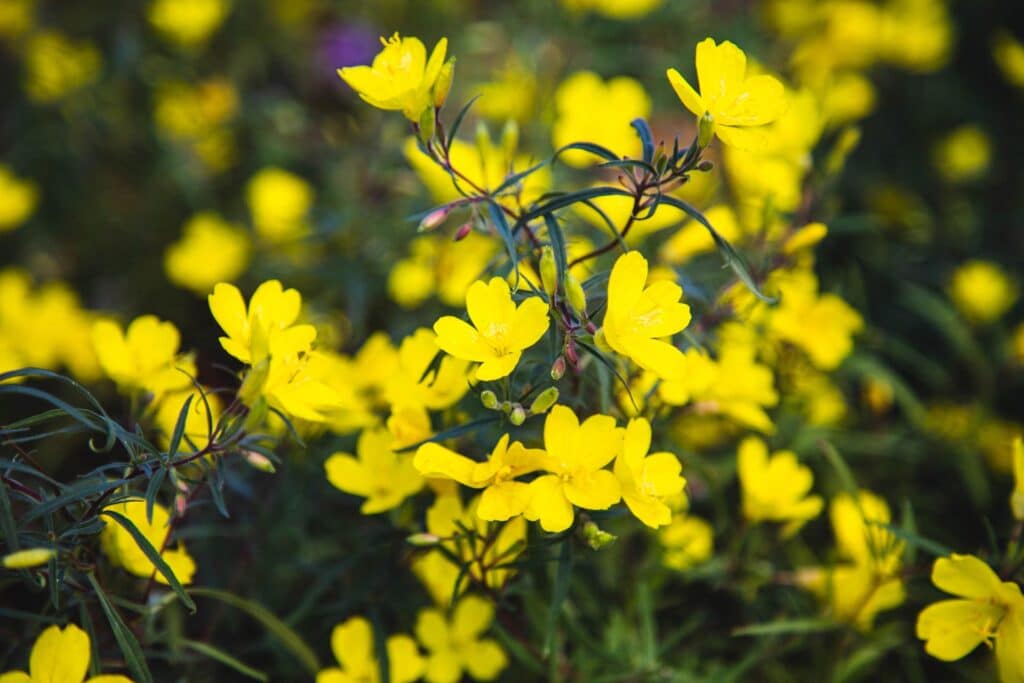
Evening Primrose
Oenothera spp.
Evening Primrose (Oenothera spp.) has fragrant, cheerful, canary yellow flowers that open late in the day, providing nectar and pollen to nigh-flying moths.
april is
Ohio Native Plant Month
Ohio was the first out of all fifty, nifty United States to sign legislation in 2019 making the designation. It’s a wonderful time of year to recognize the importance of native plants, especially as we watch spring ephemerals (early spring-blooming wildflowers) wake up to color the landscape. Learn more at ohionativeplantmonth.org.


more native plants
Here at Petitti’s, we offer the following spring natives and cultivated varieties of native perennials, trees, and shrubs:
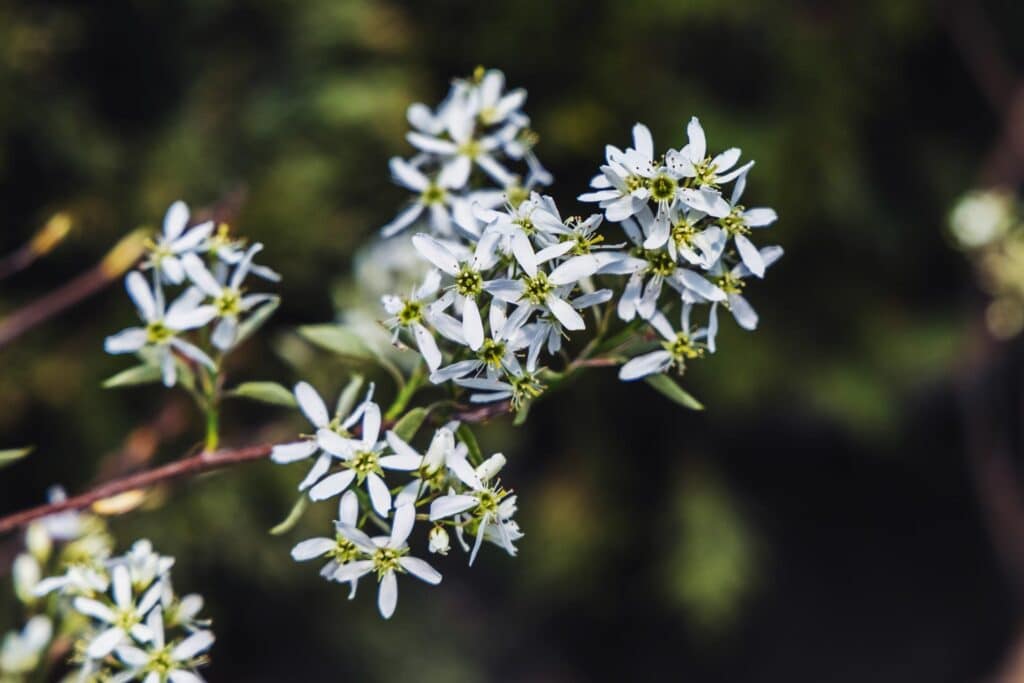
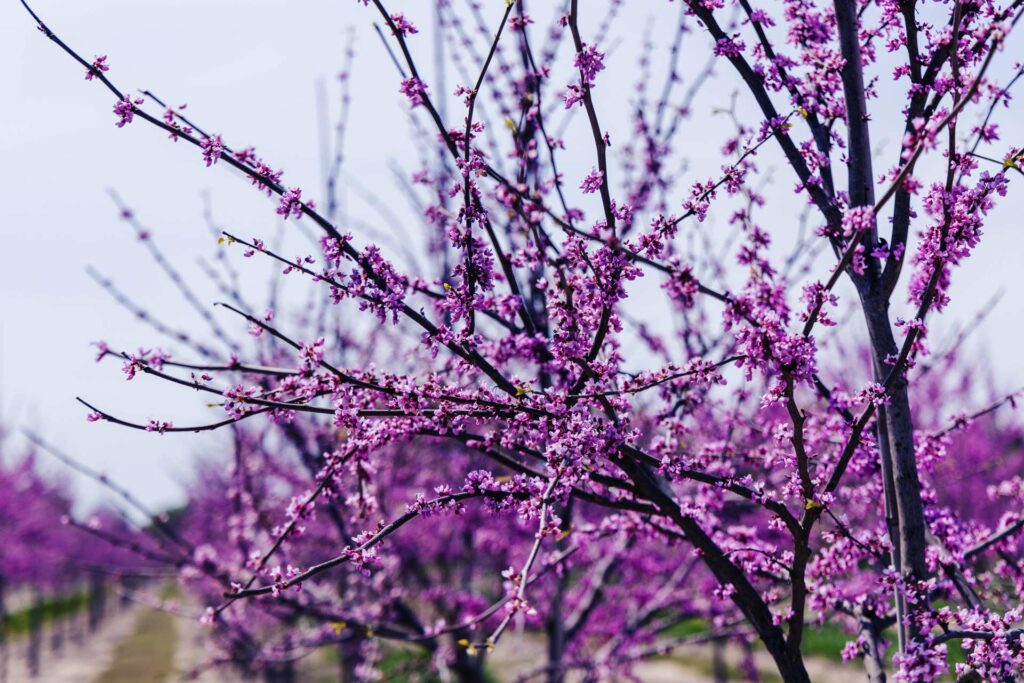
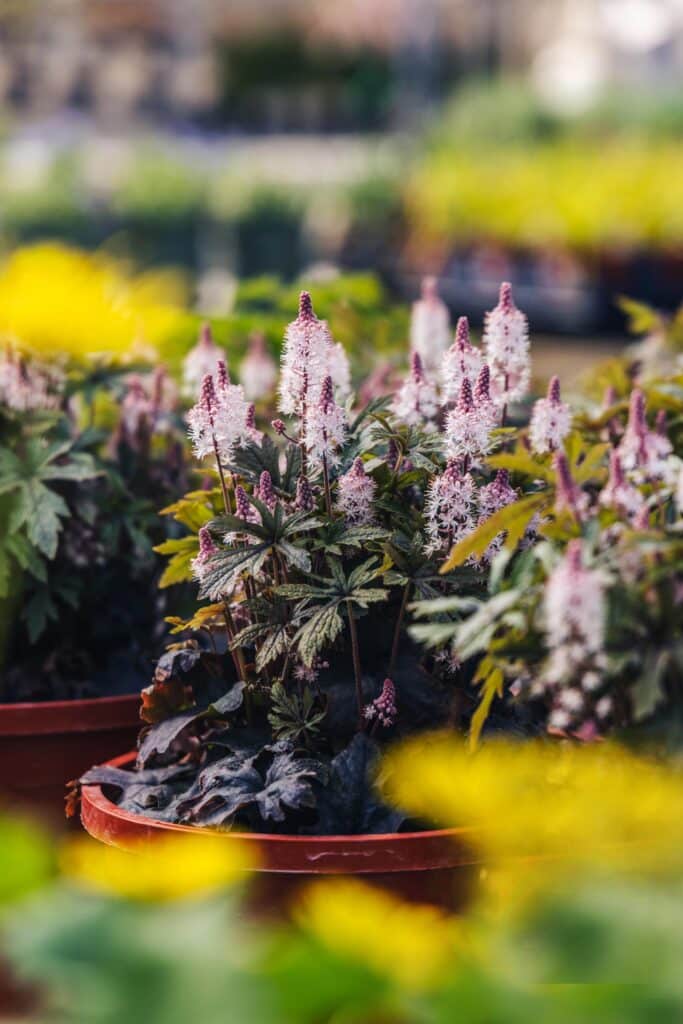
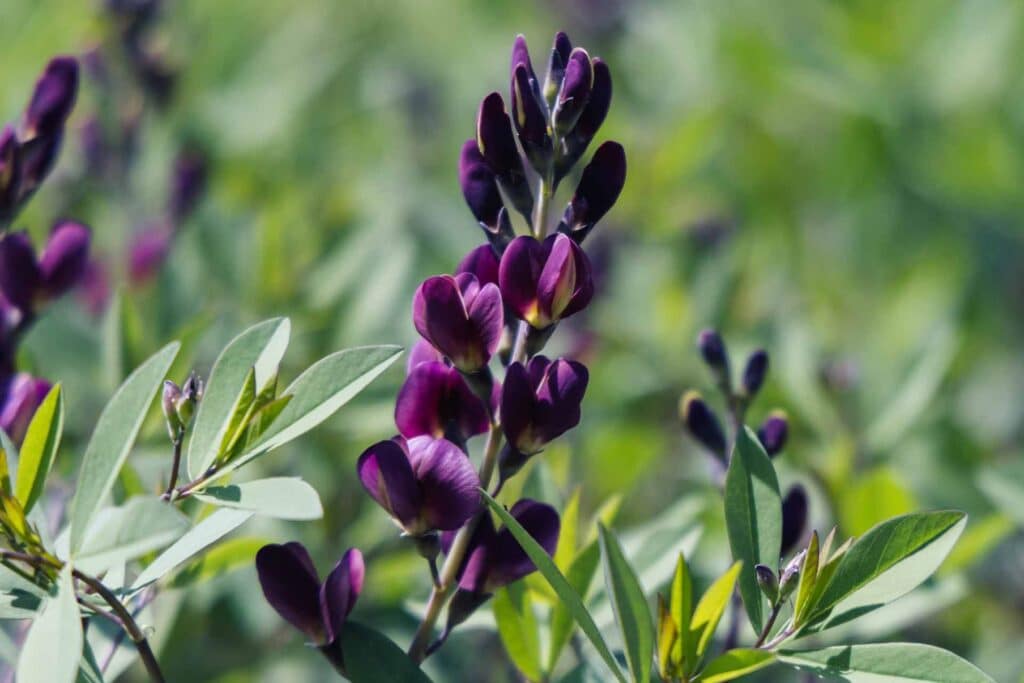
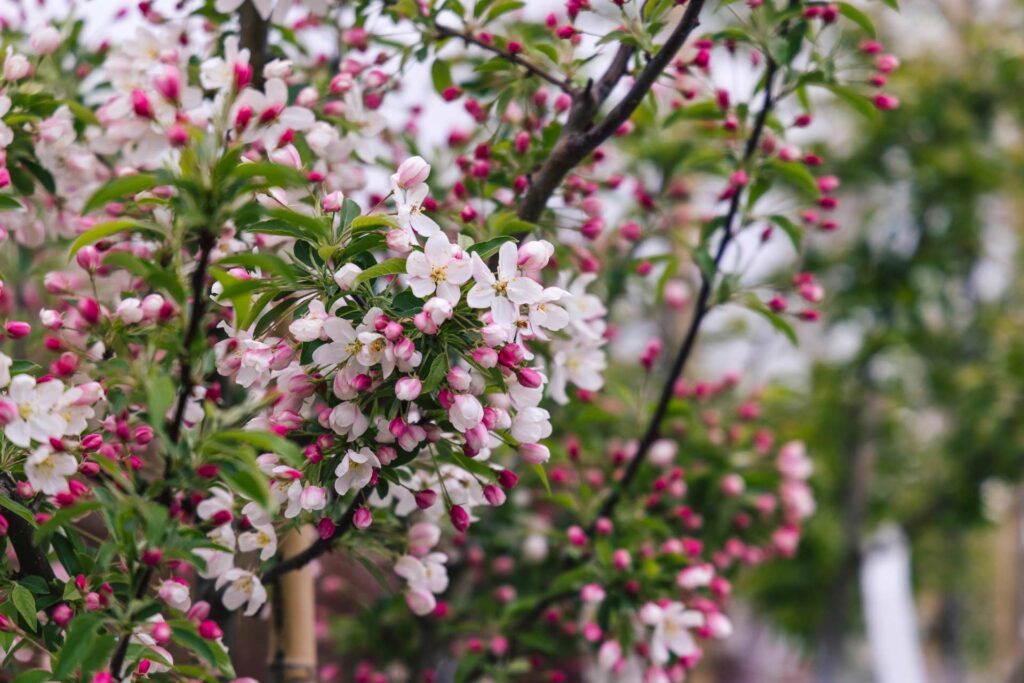
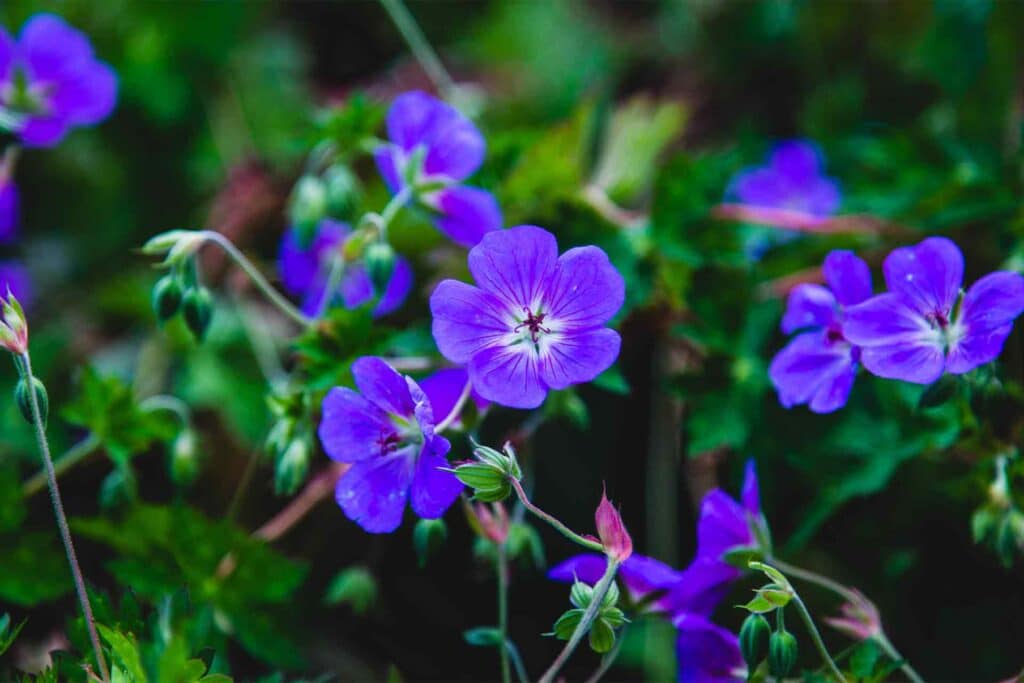
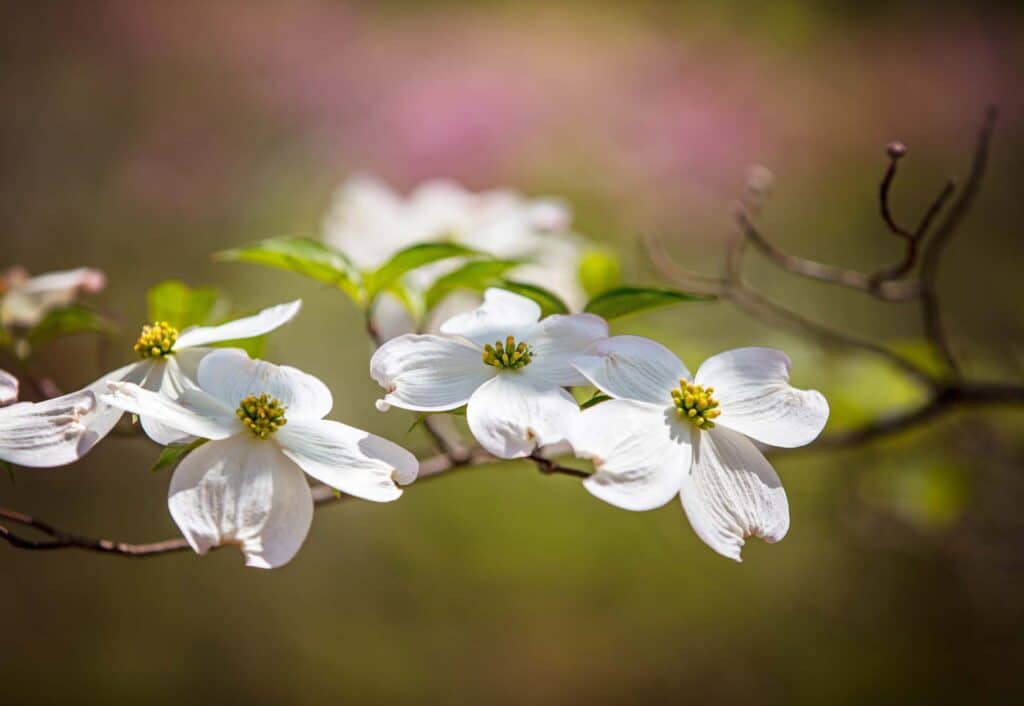
Serviceberry (Amelanchier spp.) | Columbine (Aquilegia spp.) | Jack-in-the-Pulpit (Arisamea triphyllum) | Goat’s Beard (Aruncus spp.) | Lady Fern (Athyrium felix-femina) | False Indigo (Baptisia spp.) | Redbud Tree (Cercis spp.) | Dogwood (Cornus spp.) | Fern-leaf Bleeding Heart (Dicentra eximia) | Eastern Woodfern (Dryopteris marginalis) | Cranesbill Geranium (Geranium spp.) | Witchhazel (Hamamelis spp.) | Crabapple Tree (Malus spp.) | Virginia Bluebells (Mertensia virginica) | Cinnamon Fern (Osmunda cinnamomea) | Creeping and Woodland Phlox (Phlox spp.) | Ninebark (Physocarpus spp.) | Jacob’s Ladder (Polemonium spp.) | Foam Flower (Tiarella spp.) | Spiderwort (Tradescantia spp.) | Red Wake-Robin (Trillium erectum) | White Trillium – Ohio’s official state wildflower (Trillium grandiflorum) | Yellow Wake-Robin (Trillium luteum) | Viburnum spp.
supporting wildlife
with keystone plants
Some of the best keystone plants for caterpillar support are trees like Oak, Cherry, Birch, and Pine as well as hardy shrubs like Blueberry and Willow. If your garden does not have room for large woody plants, don’t worry – you can do a lot of good with beautifully blooming perennials!
This article is inspired by the National Wildlife Federation’s Garden for Wildlife™, a program launched in 1997 to encourage citizens to positively impact wildlife in their communities by planting with a purpose. Plant families listed derive from the Keystone Native Plants list for Eastern Temperate Forests – Ecoregion 8. Visit nwf.org/Garden-for-Wildlife/About/Native-Plants/keystone-plants-by-ecoregion to learn more.