
Gardeners of all ages and abilities are becoming increasingly aware of pollinators and the vital role they play in our everyday lives. Recent declines in pollinator populations means planting sustainable spaces to support all types of pollinators is more important than ever. Whether it’s butterflies, bees, and hummingbirds or birds, beetles, and moths, there are many ways, big and small, we can help support all types of pollinators in Northeast Ohio.
Resources for Northeast Ohio Gardeners
Pollinator Gardening
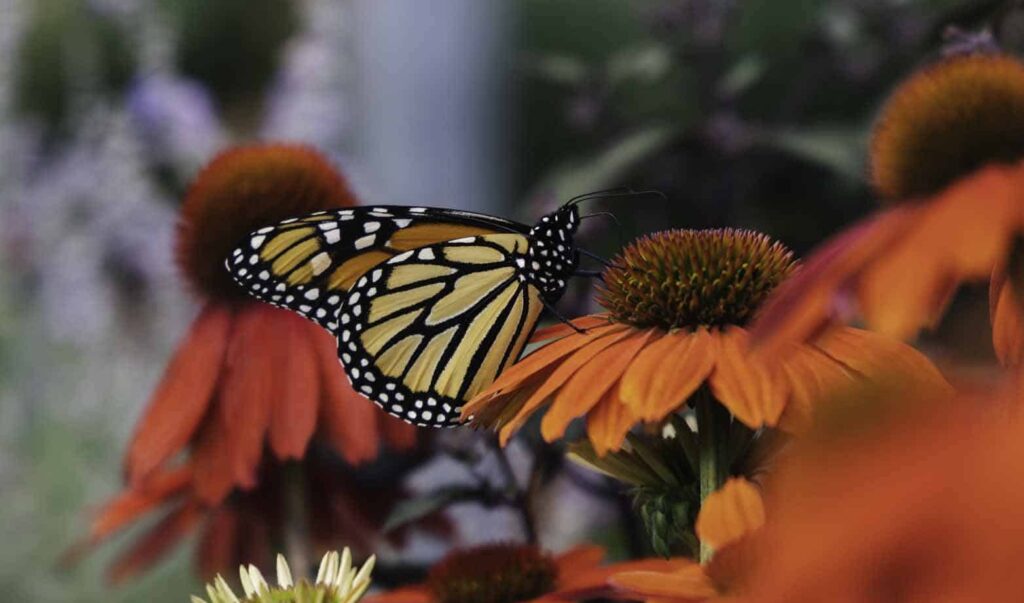


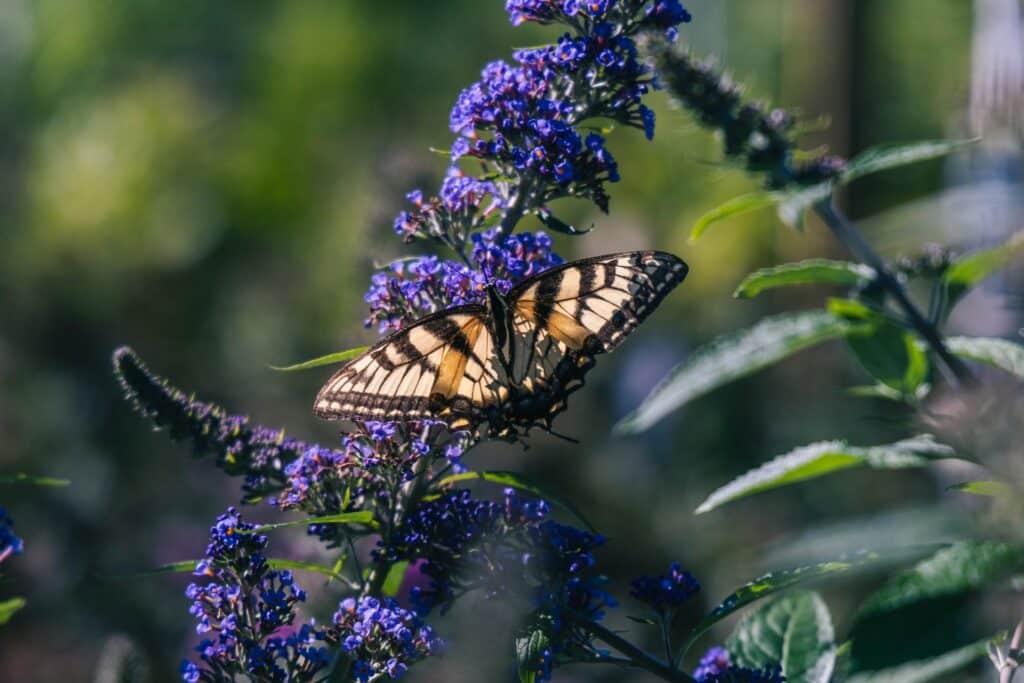
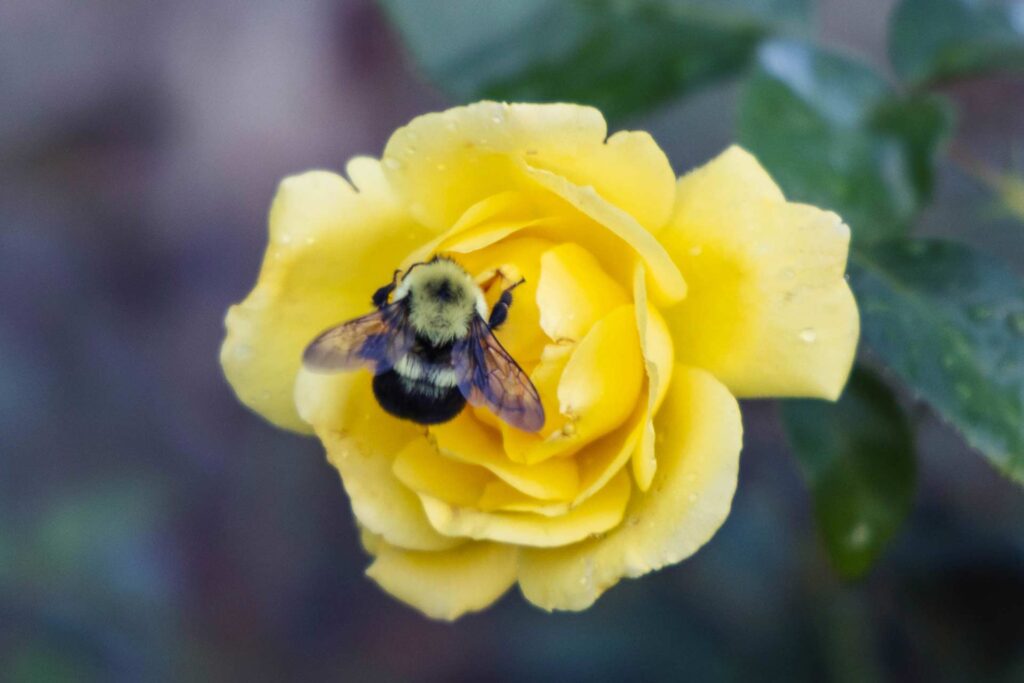
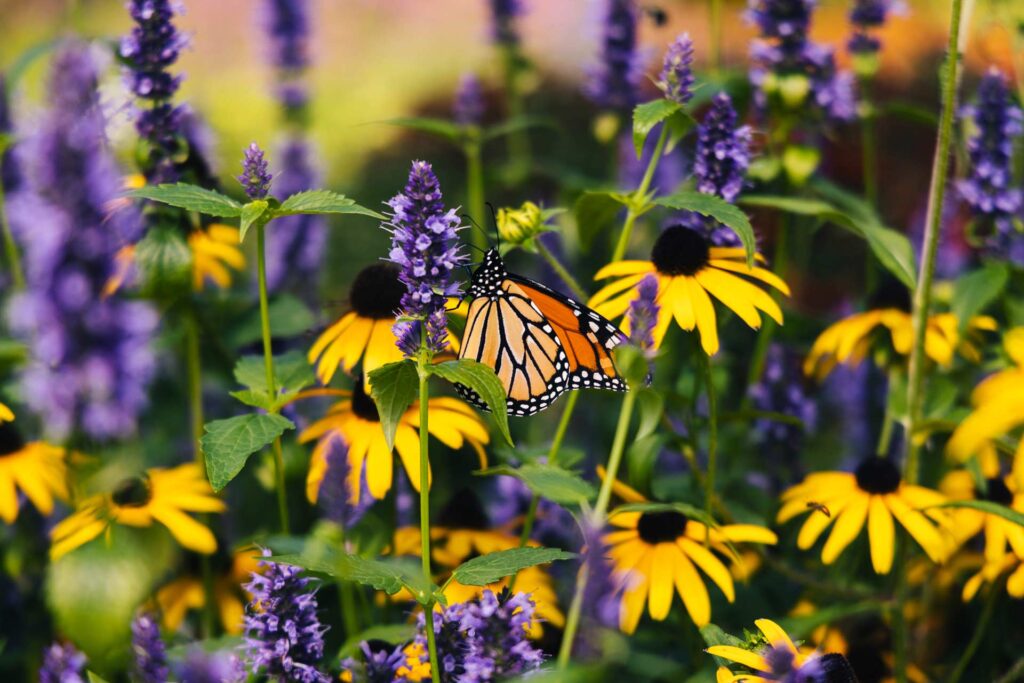
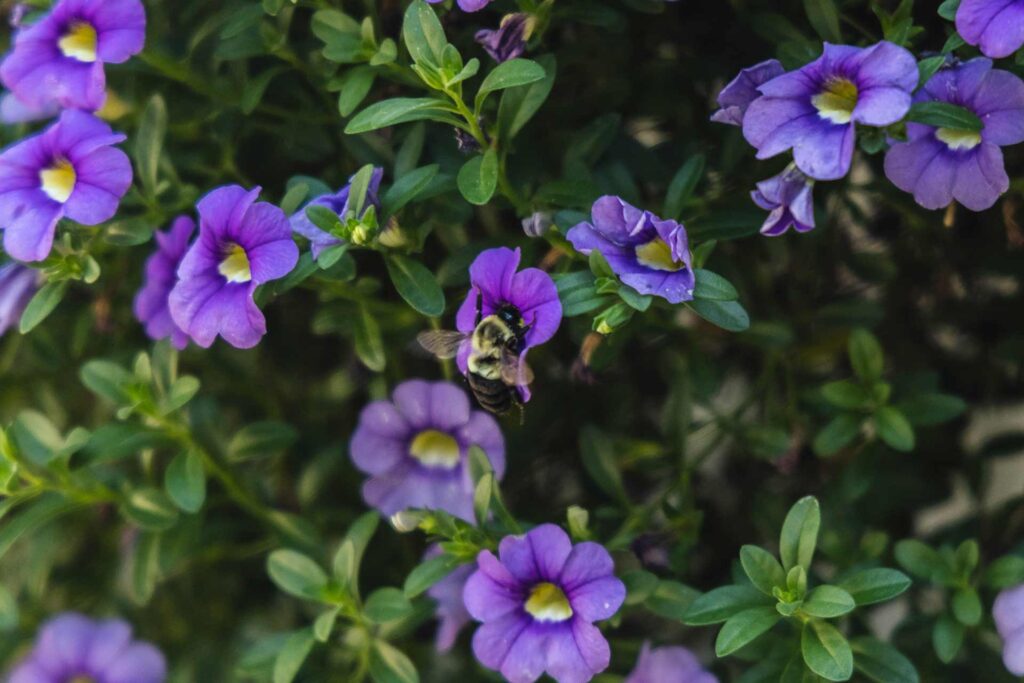
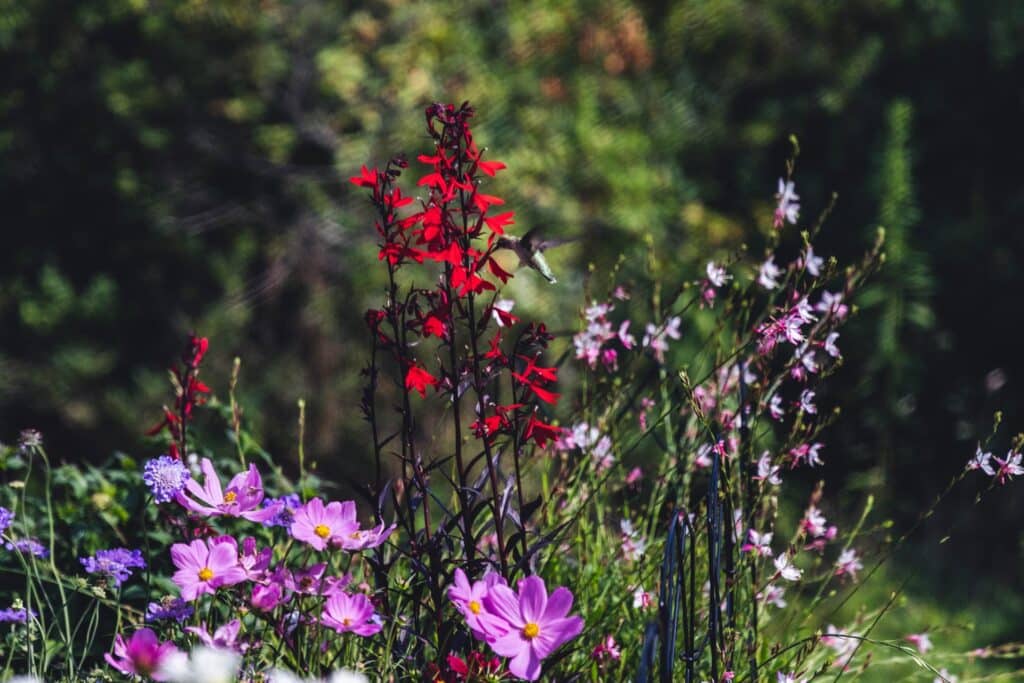

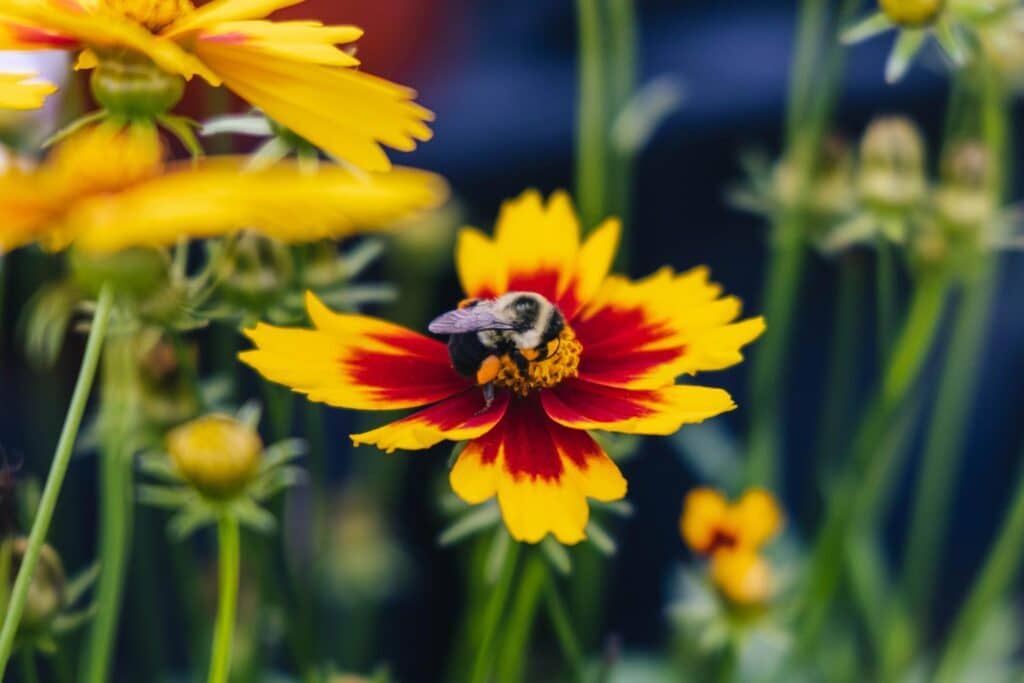
Start Your Pollinator Garden at Petitti's
Excited to start your pollinator gardening journey? One of the easiest ways to start is by selecting plants with composite flowers, such as daisies and coneflowers, or keystone perennials like goldenrod and coreopsis.
At Petitti Garden Centers, you’ll find a wide selection of pollinator-friendly annuals, perennials, shrubs, trees, and native plants grown for success in Northeast Ohio. Our gardening experts can help you select plants that provide season-long color while supporting bees, butterflies, hummingbirds, and other beneficial pollinators.
Learn MoreFrequently Asked Questions About Pollinator Gardening
The best plants for pollinators provide plenty of pollen and nectar. Numerous annuals, perennials, flowering trees, and flowering shrubs accomplish both including many keystone plants native to Northeast Ohio. A great place to start is with composite flowers such as coneflowers, asters, and coreopsis, which provide easily accessible pollen and nectar for many types of pollinators.
The key to starting a pollinator garden is providing food, water, and shelter. Add a diverse selection of blooms rich in nectar and pollen to support mature pollinators, along with host plants to support caterpillars and other developing pollinators. Include a shallow, reliable water source and nearby trees, shrubs, or other vegetation for the shelter and protection they need to thrive.
Native plants are a great addition to pollinator gardens thanks to their long-established relationships with local insects and wildlife. However, a pollinator garden doesn’t have to be exclusively native to provide valuable resources. Native plants, cultivated varieties, and other pollinator-friendly plants can all contribute to a diverse landscape that offers food and habitat throughout the growing season. Ultimately, providing food, water, and shelter are one of the most valuable ways to attract and support pollinators.
Keep your pollinator garden blooming all season long by selecting plants with overlapping bloom times from spring through fall. Start with early-blooming plants like catmint, dianthus, and baptisia. Add plenty of summer color with coneflowers, daisies, and milkweed. Don’t forget late-season bloomers like hardy hibiscus, Joe Pye weed, and sedum to keep pollen and nectar available as the seasons change. For more information on what blooms when, explore our Perennial Bloom Calendar for a month-by-month look at our favorite perennials for Northeast Ohio.