
Deer browsing is the #1 challenge for gardeners in Northeast Ohio. Fortunately, it’s possible to overcome or work around this issue with a little know-how. Below, we cover three effective ways to keep deer at a distance: implementing physical barriers, applying deer repellents, or selecting deer-resistant plants.
How to Deter Deer
Deer Resistant Plants & More Solutions
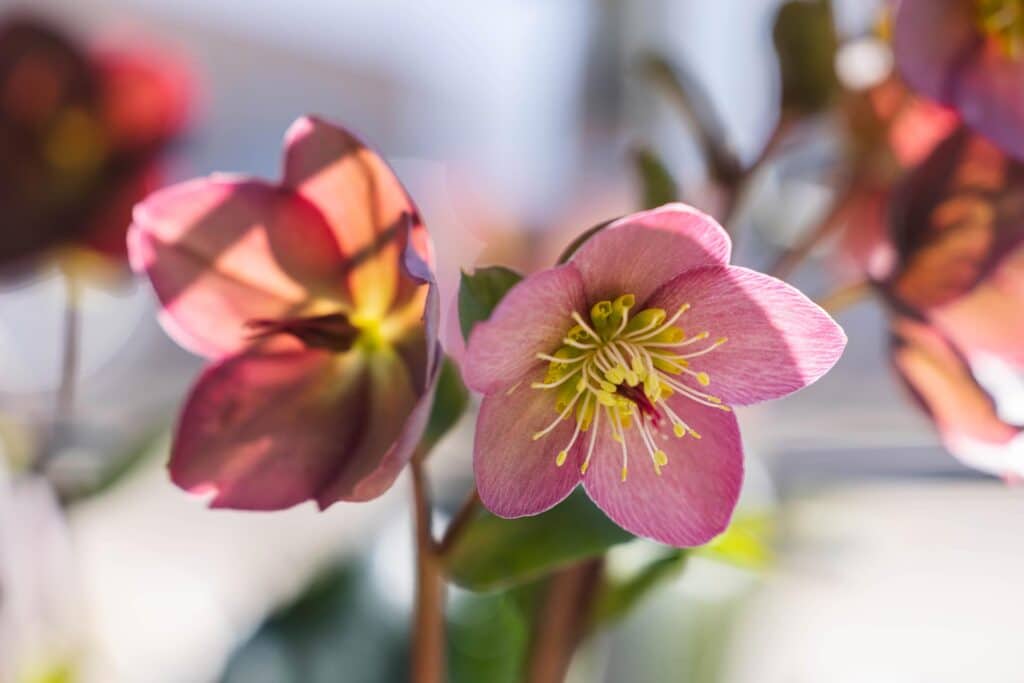


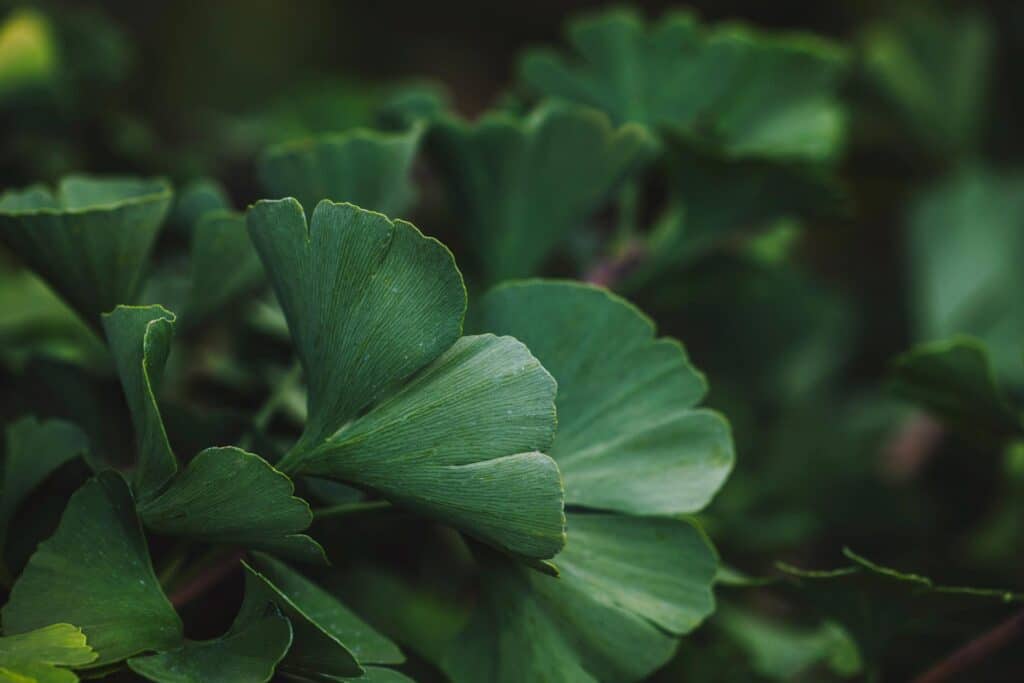
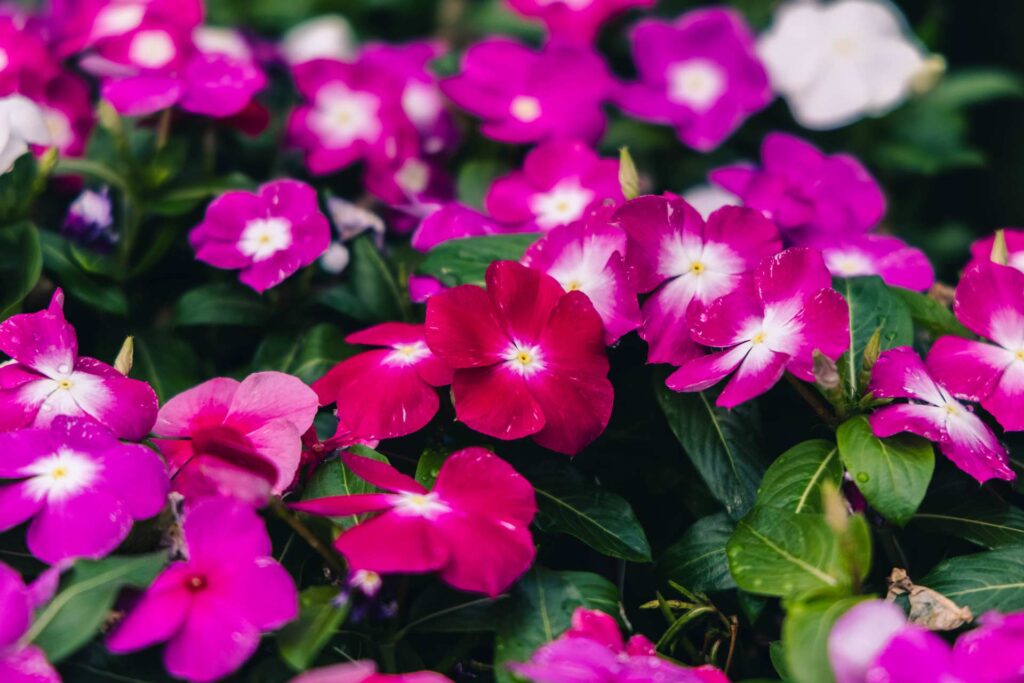
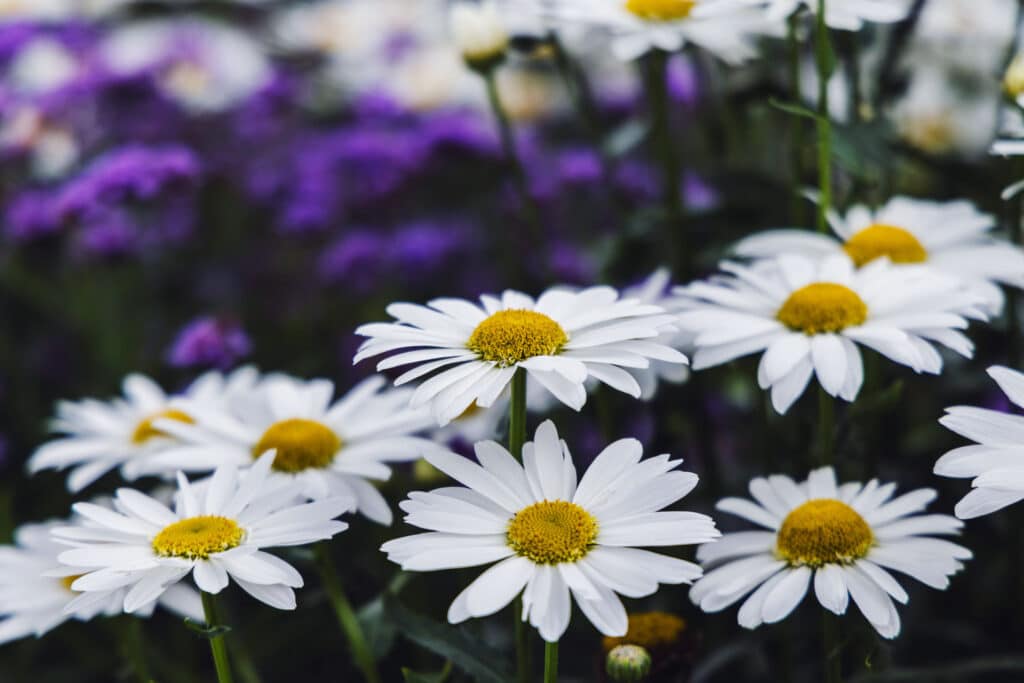

deer resistant gardening
in Northeast Ohio
Deer pressure can vary significantly across Northeast Ohio depending on location, weather conditions, and available food sources. During winter and periods of drought, deer may browse plants they would normally avoid. At Petitti Garden Centers, we like to combine smart strategies and reliable products to help reduce damage and create a more enjoyable garden.
Deer-resistant plants | Repellents | Physical barriers | Seasonal monitoring
A layered approach is often the most effective way to protect your garden.
Shop Deer-Resistant ProductsFrequently Asked Questions About Deer Resistant Gardening
While no plant is completely deer proof, plants with fragrant foliage, fuzzy leaves, thorny stems, leathery textures, or milky sap tend to experience less browsing. Popular deer-resistant choices include Lantana, Boxwood, Juniper, Catmint, Coneflowers, and many ornamental grasses.
No. Deer feeding habits vary based on population pressure, weather conditions, and food availability. Young fawns will nibble on a variety of plants as they’re learning what they like and don’t like, and during periods of drought or winter stress, deer may browse plants they would normally avoid. For best results, combine deer-resistant plant selections with repellents and physical barriers.
Petitti recommends Plantskydd® as one of the most effective deer repellents available. Other trusted options include I Must Garden®, Repels-All®, Liquid Fence®, and Coyote Urine. The best solution often depends on the severity of deer pressure and the time of year.
Deer may browse Arborvitae, particularly during winter when food sources are limited. Varieties of Western Arborvitae, such as Green Giant, Forever Goldy, and Spring Grove, tend to experience less damage than others, but additional protection may still be needed in areas with heavy deer populations.
Boxwoods are considered one of the more deer-resistant evergreen shrubs. While deer may occasionally sample them, they generally prefer other plants when alternative food sources are available.
The most effective approach combines multiple strategies:
- Choose deer-resistant plants
- Apply deer repellents consistently
- Install fencing or netting where appropriate
- Protect vulnerable plants during peak browsing seasons
Using a combination of these methods can significantly reduce deer damage and help protect your landscape investment.