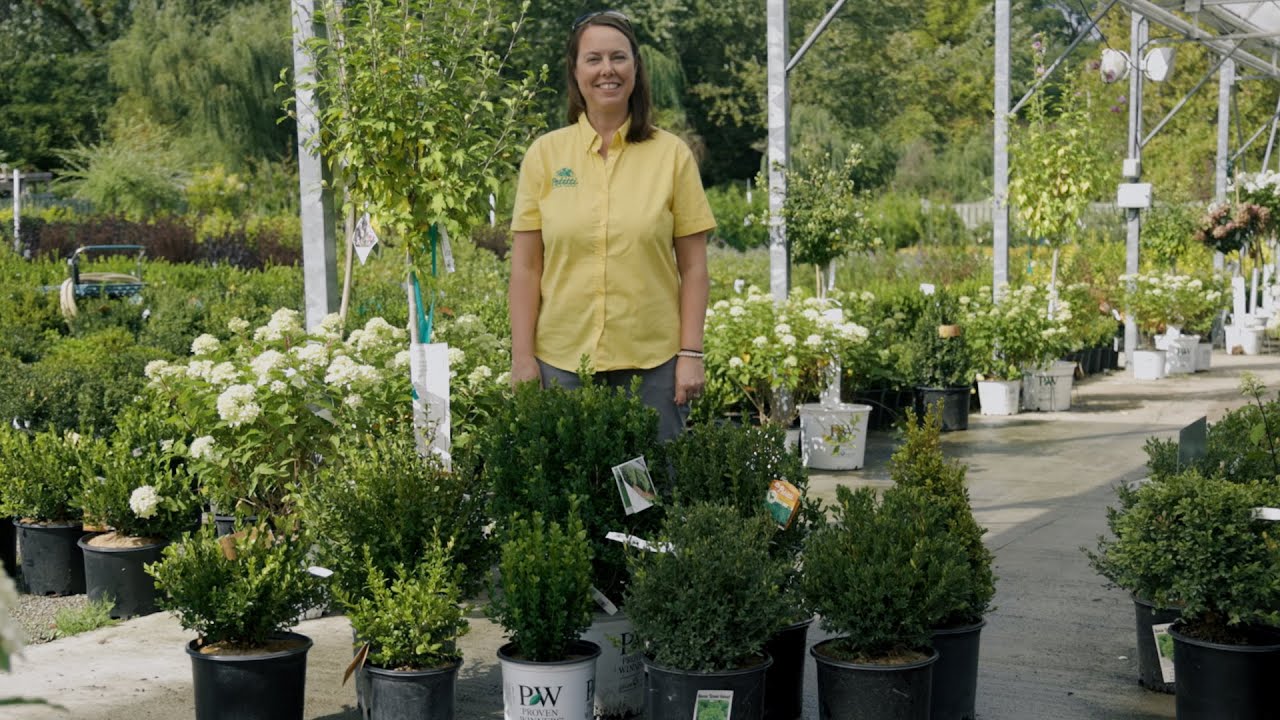
Buxus spp.

boxwood

About the Boxwood

A popular evergreen shrub with dark green foliage on an attractive, compact, rounded form. Popular plant for low formal hedges or knot gardens. Maintains its lush green foliage color throughout the winter. Many hybrid varieties and pyramidal forms are available. Boxwood has excellent deer resistance and year round interest in the landscape and container gardens.


Shop Boxwood Varieties

DEER-RESISTANT BY NATURE

Boxwood is one of the most reliably deer-resistant shrubs available for Northeast Ohio landscapes. Deer avoid it because of the compounds in the foliage. Even in high-pressure yards where deer graze roses, hostas, and yews to the ground, boxwood is usually left alone.

That makes it a strong anchor plant for gardens in browse-heavy neighborhoods, and a smart pairing with more other deer-resistant plants like Potentilla, Buddleia, and Hellebores.


Care Notes

Plant in well-drained, amended soil. Water well after planting; maintain 1” of water once a week the first year. Little pruning needed; shapes itself nicely. Remove dead branches trunk suckers or shear any time. When necessary, prune in spring to early summer. Fertilize in early spring, mid-summer, and fall with a slow-release fertilizer. Follow label instructions. Mulch 2″ to suppress weeds, retain moisture and protect against extremes of soil temperature. Wrap in burlap or spray with Wilt-stop to protect from winter desiccation.


WHERE BOXWOOD WORK BEST

Boxwood is one of the most versatile shrubs in the landscape. Compact form, dense foliage, and deer resistance make it useful across a range of applications. 

HEDGES

Boxwood shapes into a clean, formal hedge better than almost any other evergreen. For low borders, look at ‘Green Velvet’, ‘Green Gem’, or ‘Winter Gem’—all stay under 4 feet with light pruning. For taller hedges, ‘Green Mountain’ and ‘Arctic Emerald’ can reach 5 feet or more.

FOUNDATION PLANTINGS

Rounded varieties like ‘Sprinter’ and ‘NewGen Independence’ work well along the front of the house, softening corners and framing entryways. They hold their shape without heavy pruning and stay evergreen through Northeast Ohio winters.

CONTAINERS

Compact boxwoods do well in large containers on patios, porches, and entryways. “Chicagoland Green’ and ‘Wintergreen’ tolerate container life better than most, but expect to size up the pot every 2 to 3 years and protect from harsh winter winds.

FORMAL LANDSCAPES

Boxwood is the classic choice for parterres, knot gardens, and formal beds. Its dense, tight growth holds a clipped shape and defines geometric plantings the way no other cold-hardy evergreen can in our region.

Planting For Success

Angelo's Planting Guide

We want your new plants to look as amazing at home as they do in our garden centers! And we know the level of care taken when planting can make all the difference. Follow Angelo's six easy steps for best results and performance.

Read the Full Guide

  • Sun to Part Shade
  • Spring
  • 2-5'
  • 2-4'

Recommended Product

Companion Plants

Variegated and green leaf varieties are available. Plant with Potentilla, Ninebark and Lilac.

FAQs About Boxwoods in Northeast Ohio

Yes. Boxwood is one of the most reliably deer-resistant shrubs for Northeast Ohio yards. Deer avoid it because of compounds in the foliage. In heavy-browse neighborhoods where roses, hostas, and yews get grazed, boxwood is usually left alone.

Newly planted boxwoods need about 1 inch of water per week during the first growing season, delivered slowly at the root zone. Once established, usually after the first full year, boxwoods are drought-tolerant and only need supplemental water during long dry stretches or before the ground freezes in fall.

Yes. Boxwood is one of the few evergreen shrubs that performs well in part shade. Full sun to part shade is ideal. In deep shade, growth will be slower and foliage may thin out, but the plant will still survive and hold its form.

Late spring, after the first flush of new growth, is the best time to prune boxwood. This gives the plant time to recover and put on fresh growth before winter. Light shaping through midsummer is fine, but avoid pruning in late fall; new growth won’t have time to harden off before cold weather.