
It can be said here in Northeast Ohio, and surely across the United States, that the Monarch Butterfly is the most top-of-mind species of butterfly. It is highly recognizable with its distinctive orange-and-black coloring and white markings, and it is beloved for its feats and abilities that are unlike any other pollinating insect. But in July 2022, the Monarch Butterfly soared in popularity for a new reason – it entered the International Union for Conservation of Nature’s (IUCN) Red List of Threatened Species with the “endangered” distinction. The update went viral, sparking widespread news coverage and causing concern across scientific and gardening communities, alike.
Read I.U.C.N.'s AnnouncementDanaus plexippus
Monarch Butterfly
you can help monarch butterflies by
growing milkweed
The #1 way average homeowners and gardeners can help is by planting perennial Milkweed. And while there are many, many species of perennial milkweed that grow across the Americas, 3 are easy are particularly easy to grow and native to Northeast Ohio.
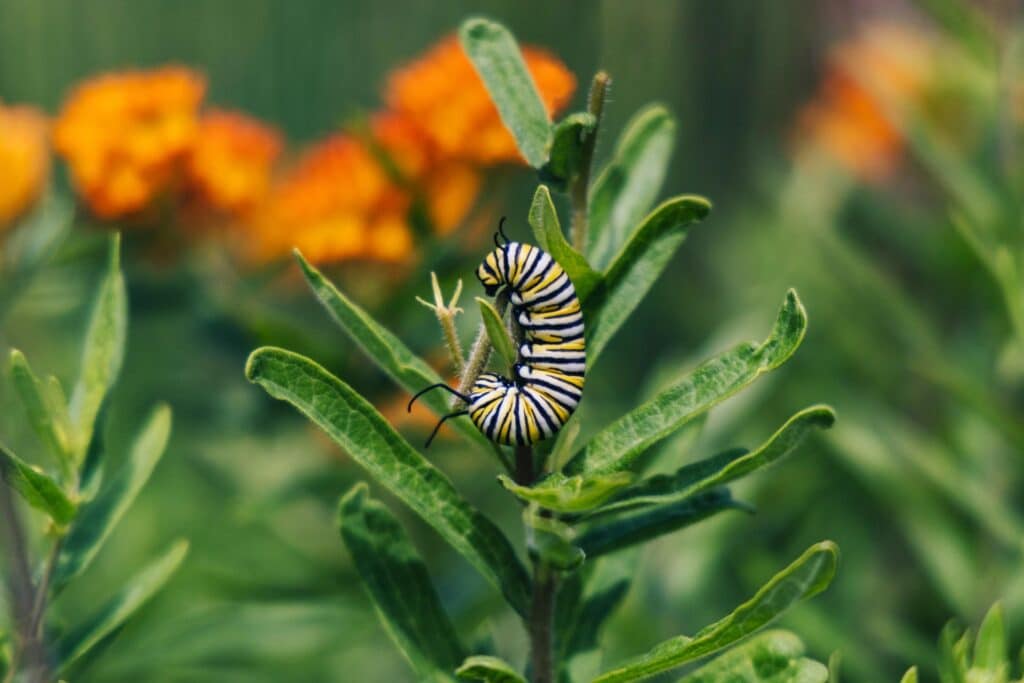
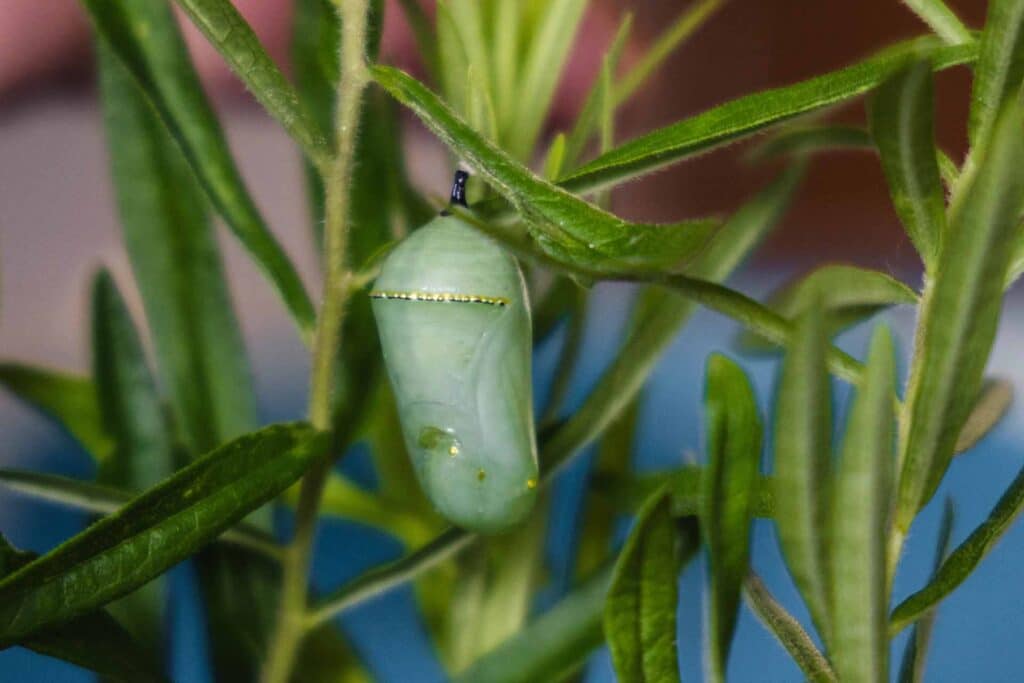
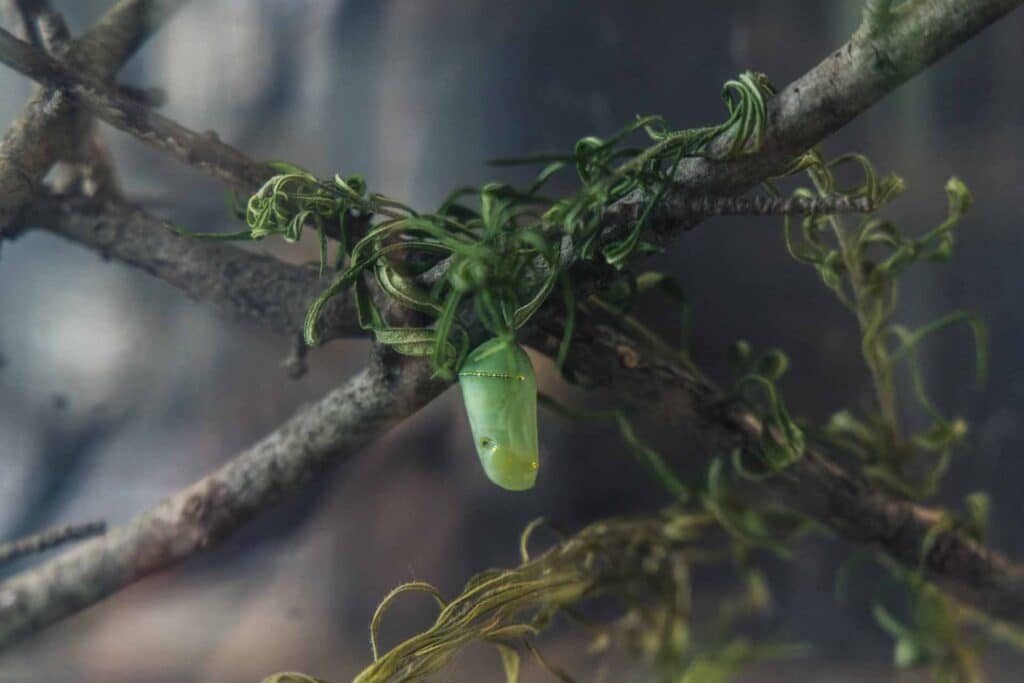
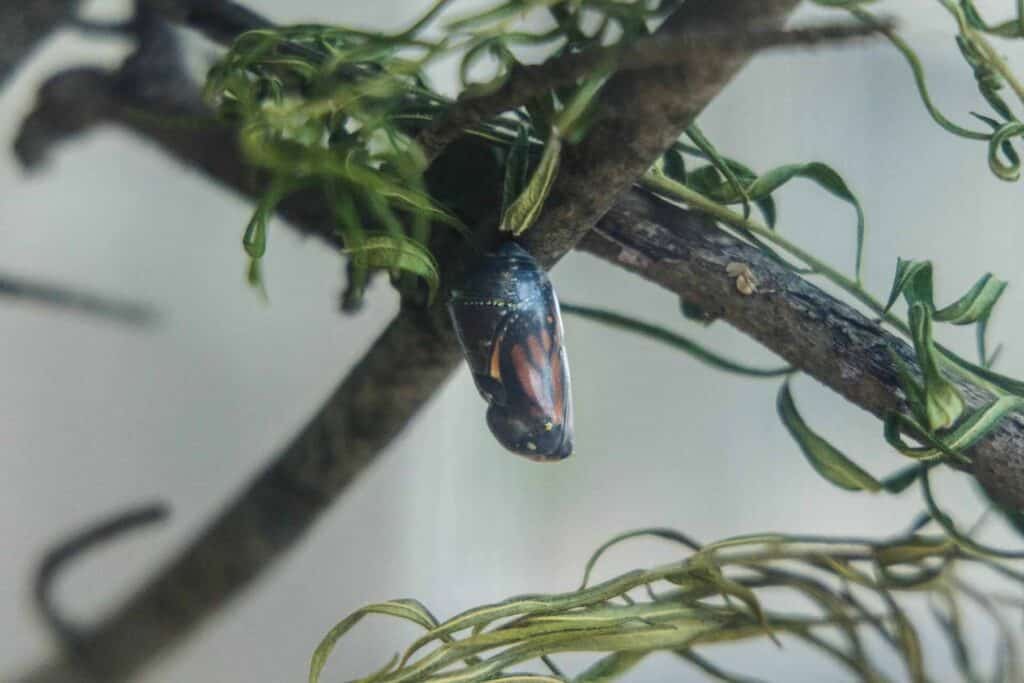
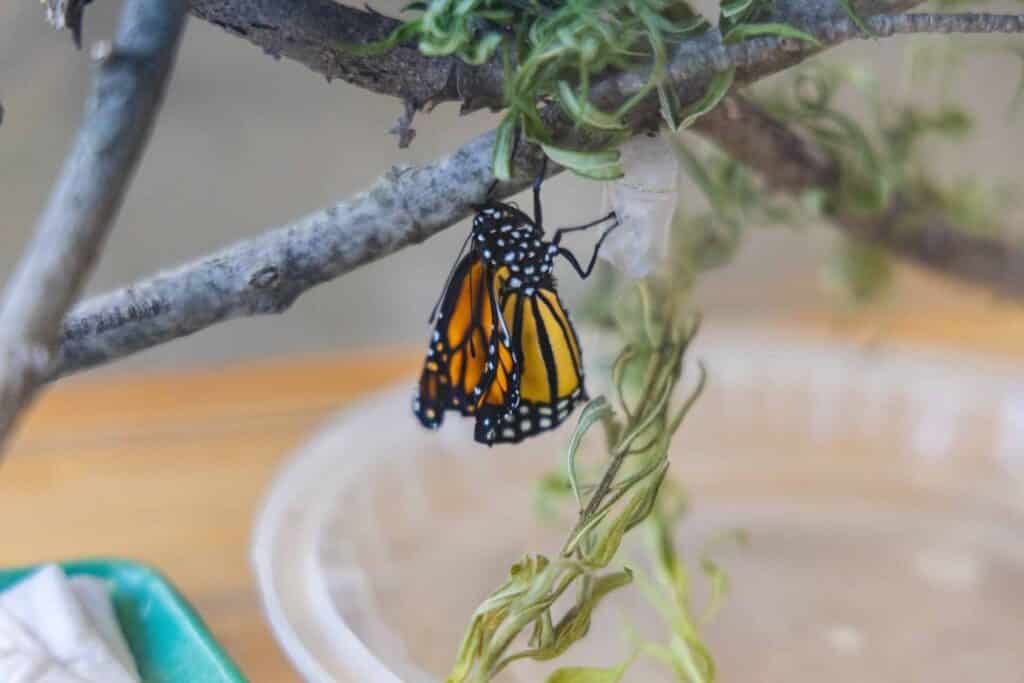
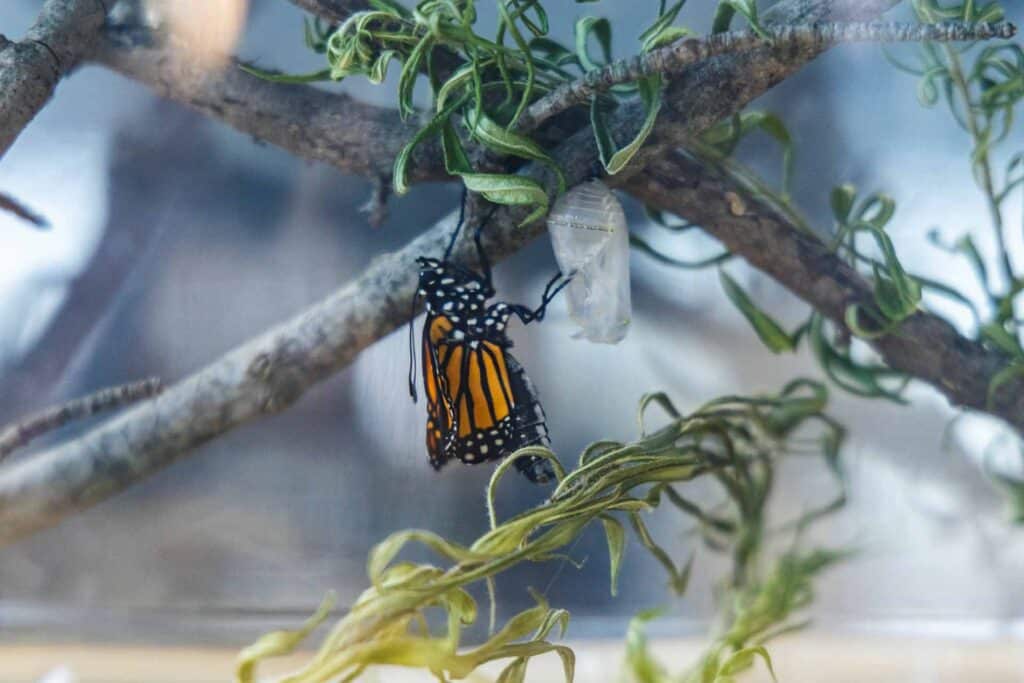
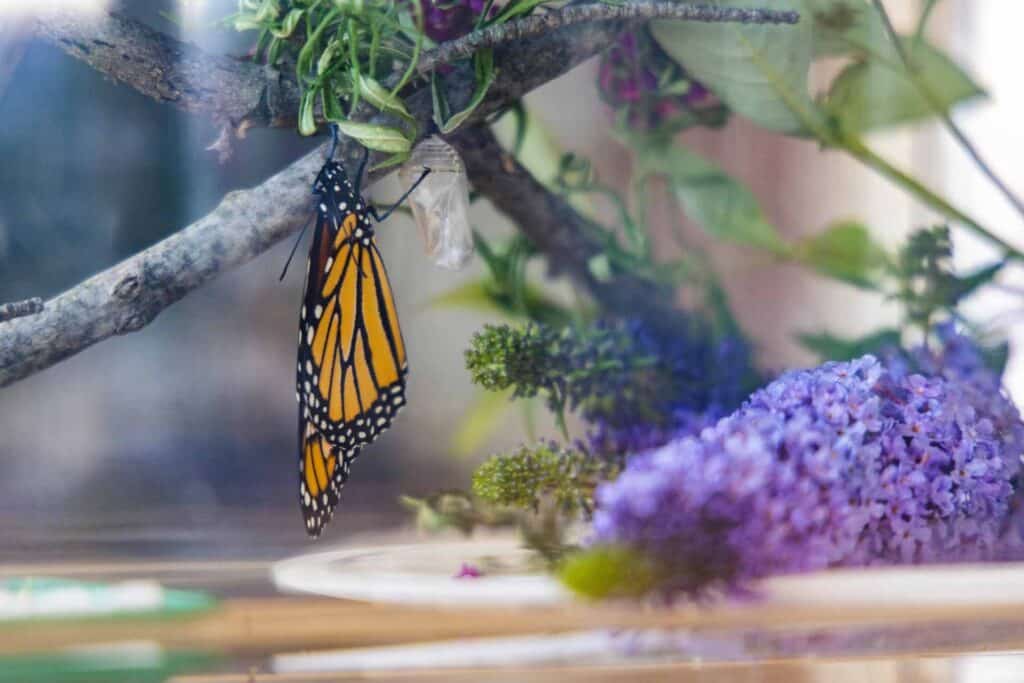
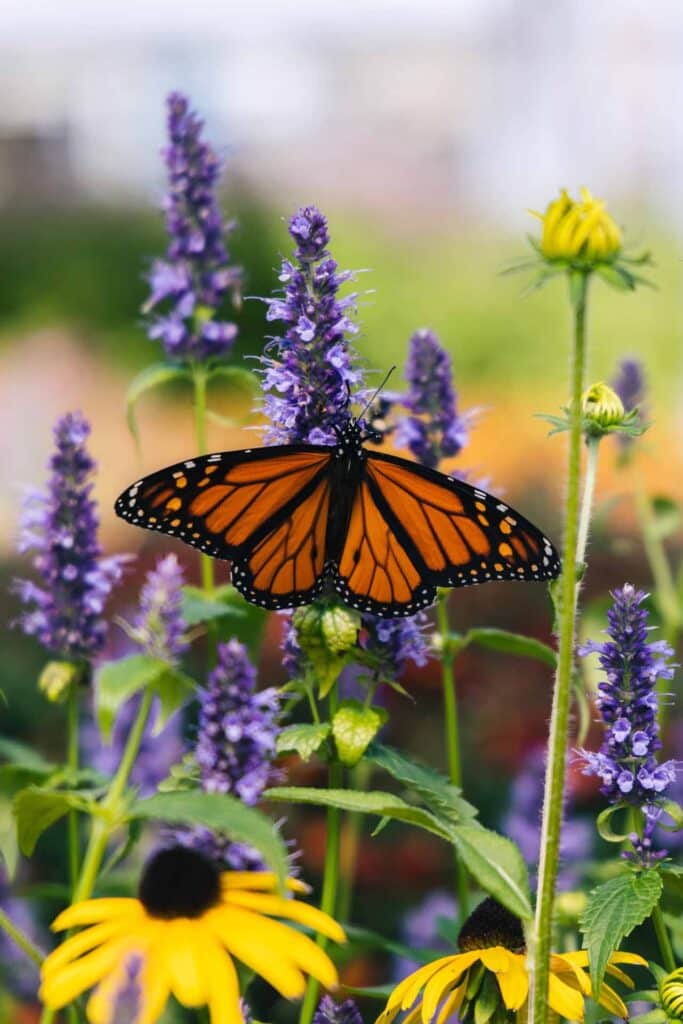
How to Grow Milkweed for MonarchsImages Featured | Meet Maximus! We first found him as a caterpillar in late summer 2022, feeding on a quart pot of the Butterflyweed (Asclepias tuberosa) type of milkweed at our Oakwood Village location. With excitement, we documented his development from hungry caterpillar to gorgeous adult. We were especially fortunate to be standing nearby the very moment he began to emerge from his chrysalis one morning.
bringing it all together
While it’s concerning that monarch numbers have declined in North America for more than two decades, it is believed that even small efforts can make a big difference in reversing the alarming trend. Planting milkweed is tops on the list, along with planting plenty of other nectar-rich flowers to offer monarchs a feast of blooms spring to fall. Additionally, avoiding pesiticides (or, at the very least, using them responsibly per package directions), and introducing “beneficial bugs” like ladybugs, praying mantises, and nematodes are nice ways to round out your support for this most iconic pollinator.