
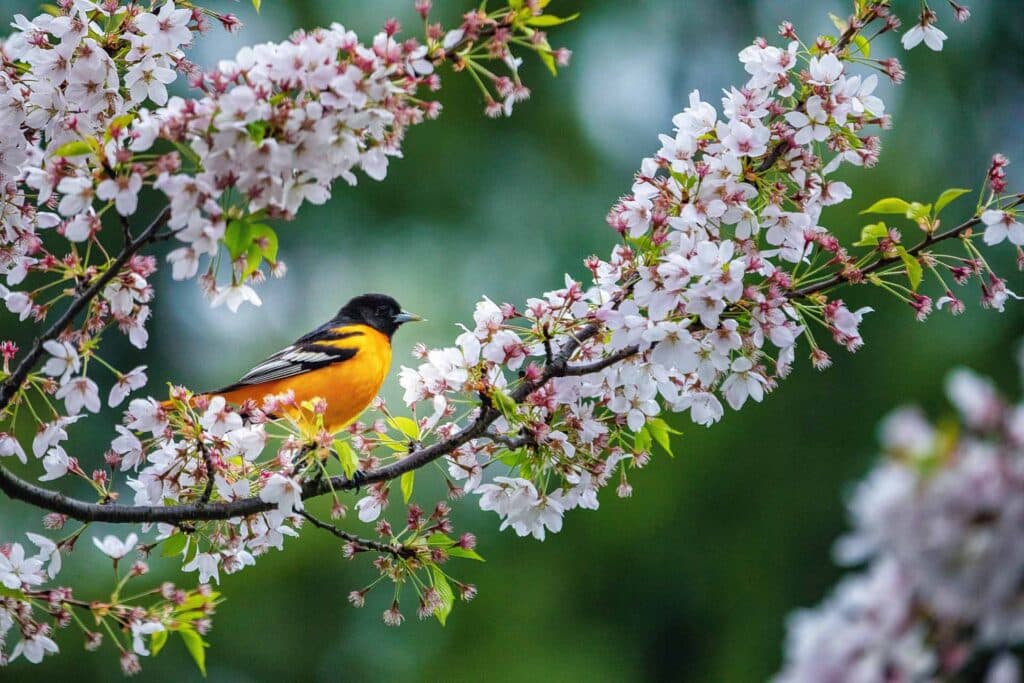
In Northeast Ohio, where winter and spring seem to wrestle until winter must inevitably give way, there is no more certain a sign of spring’s triumph than the arrival of the Baltimore Oriole. That’s because while other migratory species may show up at feeders as early as February, it’s the sighting of Icterus galbula that indicates spring is here to stay. This member of the blackbird family spends winter down in Florida and Central & South American countries near the Caribbean, returning to our area to breed once weather conditions are right and natural food sources like nectar-rich flowers are coming back into bloom. You may hear & see an oriole as early as mid-April or as late as mid-May, depending how the season unfolds.
Icterus galbula
Meet the Baltimore Oriole
changing appetites
While Baltimore Orioles have a serious sweet tooth for fruit, nectars and jellies, and suet, their appetite does shift as the season continues. Early summer, once nesting is complete, orioles prefer more “savory” foods, opting instead to feed on summer’s plentiful supply of insects, beetles, crickets, grasshoppers, moths, flies, spiders, snails, and some garden pests. This is because insects are rich in the growth proteins needed for both the adults and the nestlings at that time.
Continue attracting orioles (maybe even a fledgling!) to your feeder during summer by filling it with mealworms instead of jelly. Come late July, orioles will need to start re-building their fat stores for the return trip south, and so they’ll return to feasting on nectar and fruits. August through September, it’ll be helpful to them if you fill & maintain feeders with the same food sources offered in spring. Once fall is in full swing, it’ll be time to store your feeders for next year.
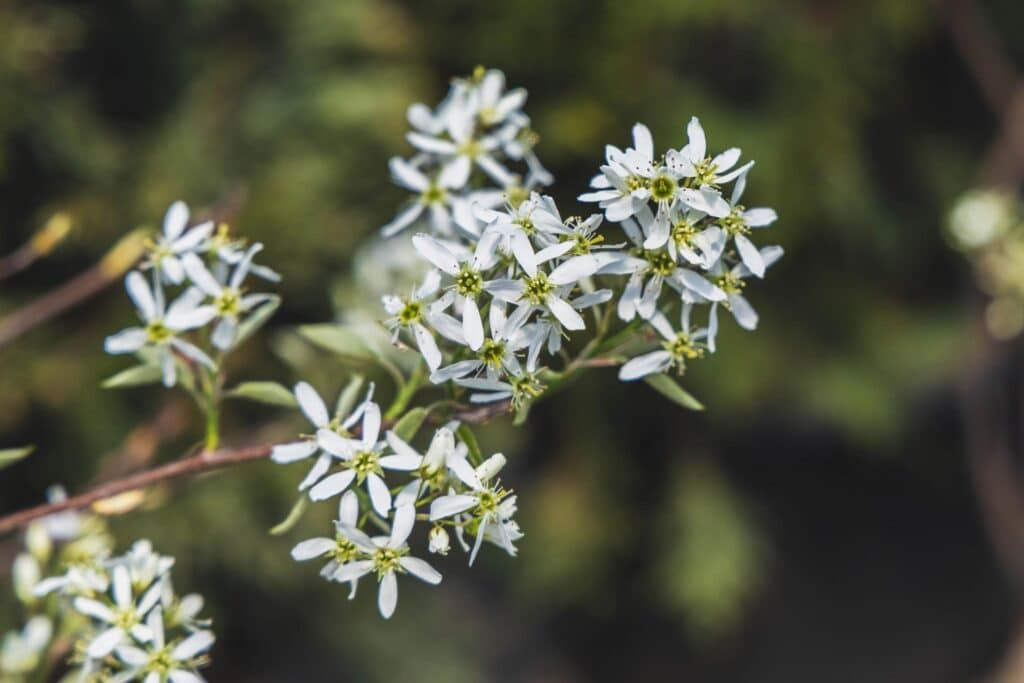
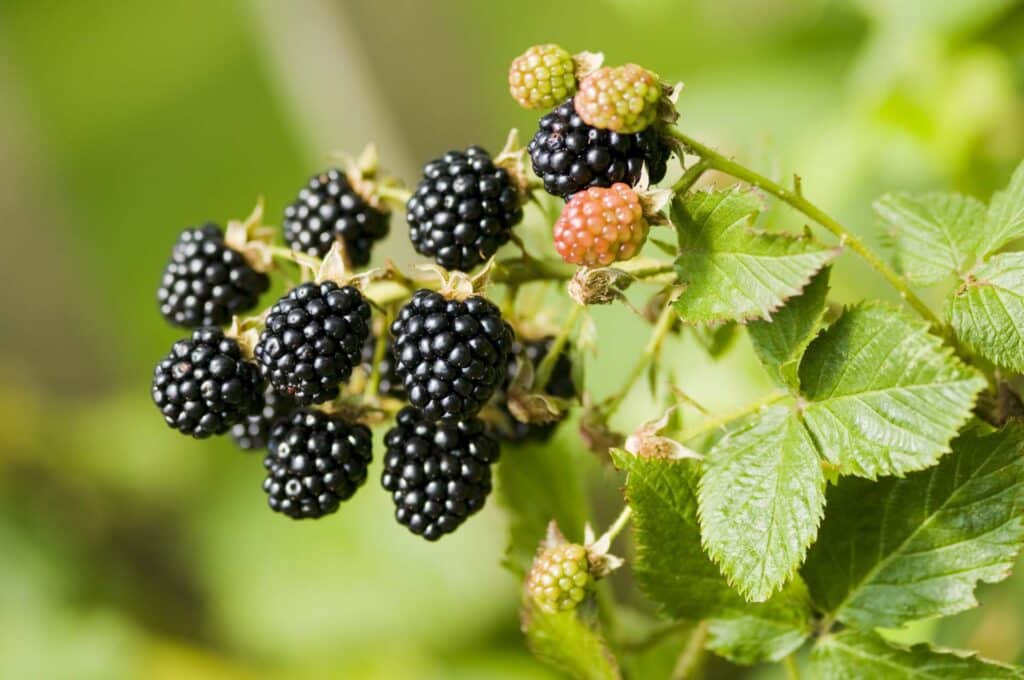
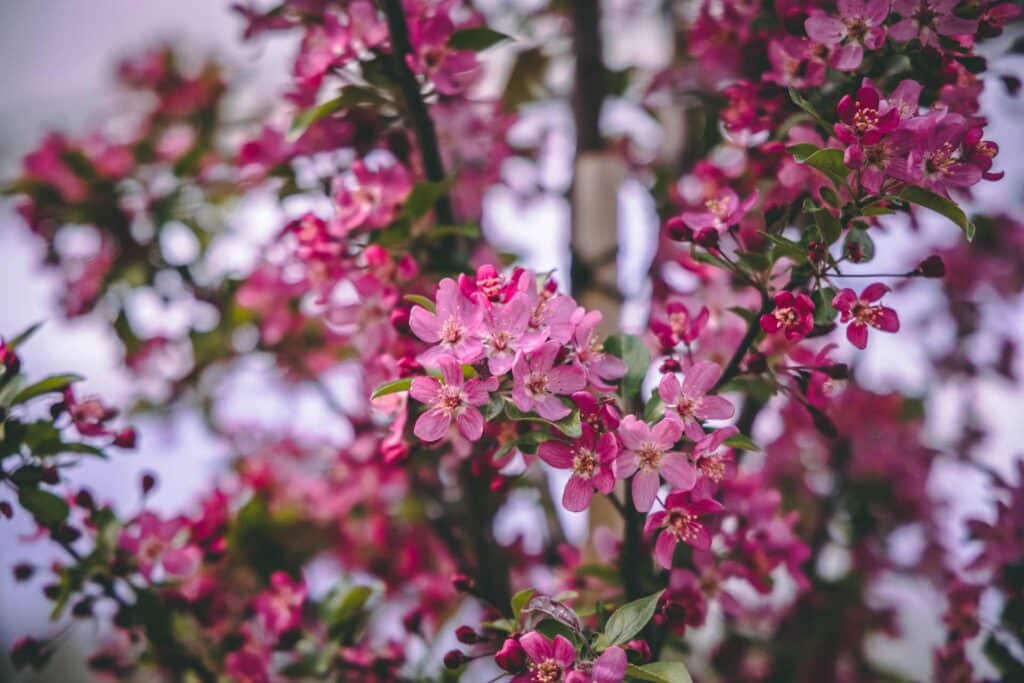
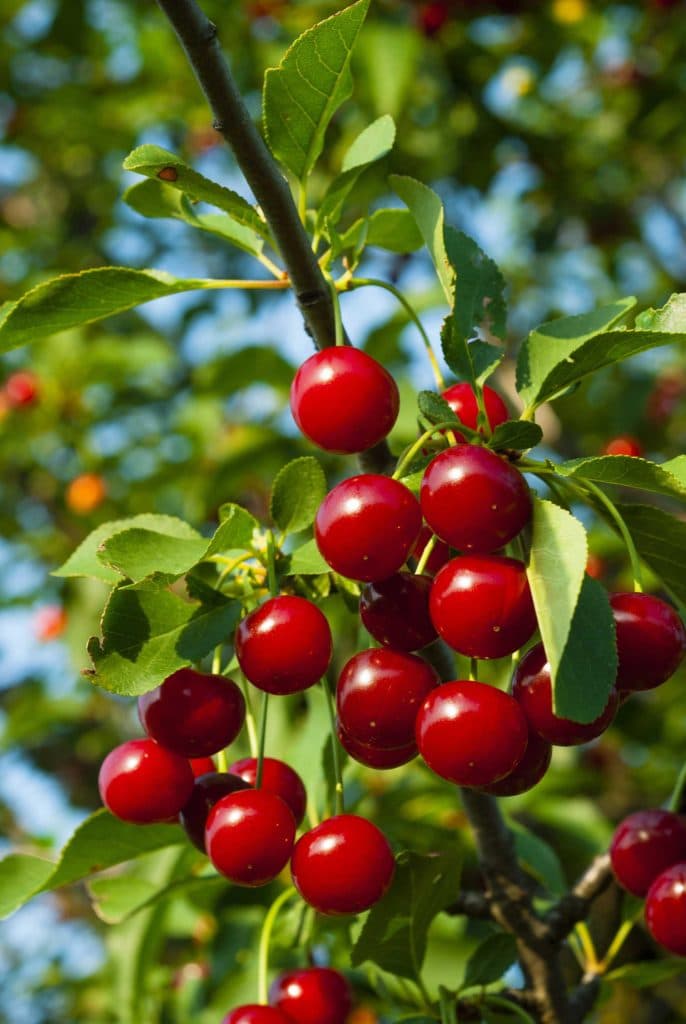
home is where the heart is
Baltimore Orioles have an incredibly strong homing instinct. If one can satisfy their needs for the ideal backyard environment by offering ample food, water, shelter, and nesting resources, they are highly likely to return in an orange flash to the same yard – even the very same tree – year after year. A gardener’s delight!
Learn about backyard birding