When does the first frost usually happen in Northeast Ohio?
In most of Northeast Ohio, the first frost typically arrives between early and mid-October. Cooler inland areas like Youngstown see frost sooner, while spots closer to Lake Erie—like Cleveland—tend to stay frost-free a bit longer thanks to the lake’s warmth.
How can I tell if my garden is at risk for frost?
Watch for clear, calm nights when temperatures dip into the upper 30s°F. If you notice dew on the lawn in the morning, that’s a sign conditions were right for frost. Local forecasts often include “frost advisories” when these nights are expected.
What’s the difference between a light frost and a hard frost?
A light frost forms when temperatures hover just below freezing, usually damaging only the most tender plants. A hard frost occurs when temperatures drop well below 32°F for several hours, ending the season for most annuals and warm-weather vegetables.
Can I still plant anything after the first frost?
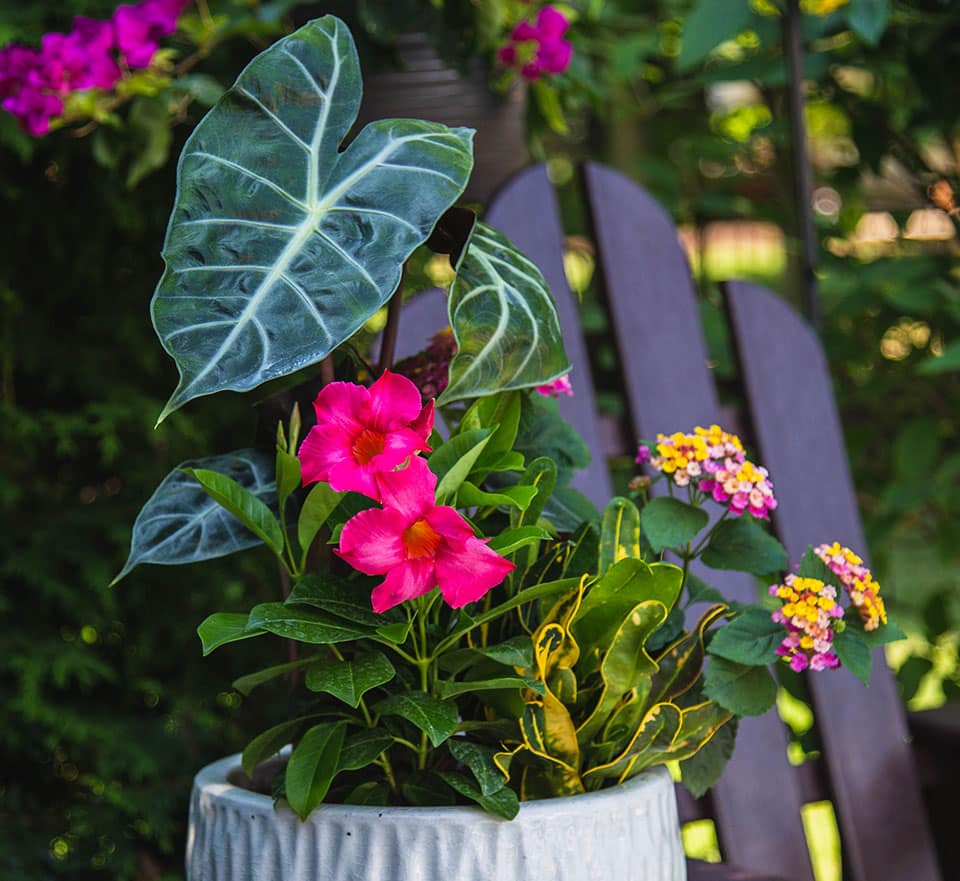
Yes! Fall is a great time to plant hardy perennials, trees, and shrubs in Ohio. The soil stays warm even after air temperatures drop, helping roots establish before winter. You can also keep harvesting cool-weather crops like lettuce and carrots well into late fall. If you need guidance, take a look at our most popular fall plants.
How do I prepare containers and hanging baskets for frost?
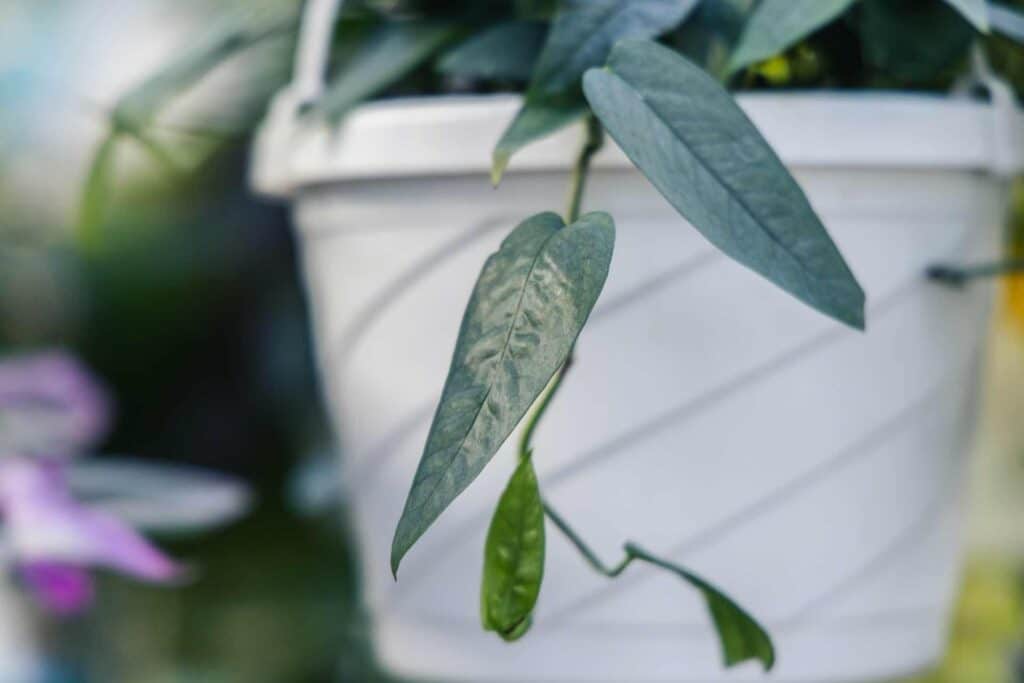
Portable pots and baskets can be moved into a garage, shed, or under a porch when frost is predicted. For heavier containers that can’t be moved, cover them with a breathable frost cloth or old bedsheet to hold warmth overnight.
Why do some plants survive frost while others don’t?
Cold-hardy plants naturally produce sugars and proteins that act like antifreeze inside their cells. Warm-season plants lack this protection, which is why frost damages their leaves or kills them altogether once ice forms on their surfaces.