Fruiting figs (Ficus carica) are a semi-tropical delicacy native to the Mediterranean and beloved for their uniquely delicious fruit offering honey-sweet, seedy flesh that can be eaten fresh, dried, or in preserves. They’re also well-known for their large and wonderfully fragrant, deeply lobed green leaves. These plants grow very well in Northeast Ohio as small trees or large shrubs, but they must be protected over winter because they are only marginally cold tolerant in our region. Fig plants will typically die back to the ground in temperatures below 20°F. Read on to learn how you can keep your in-ground fig trees and potted fig trees alive over winter, so they can be enjoyed spring through fall, year after year.
How to prepare fig trees for winter
How to winterize potted fig trees inside the garage
This method works great for gardeners with one or two plants that are on the smaller side.
- Give the plant one more very thorough watering, and allow it to drain.
- Wrap the plant up with burlap fabric or an old blanket.
- Move the entire potted plant in a corner of the garage.
- Inspect the plant and water lightly once per month.
- Right around Easter, remove winter protection and begin acclimating the plant to the outdoors.
How to winterize in-ground fig trees by tipping them over onto the ground
This method works for fig trees that have been planted in the ground. It involves tipping them over and applying winter protection at ground level, as opposed to leaving the trees standing upright.
- Tie the branches up with jute twine.
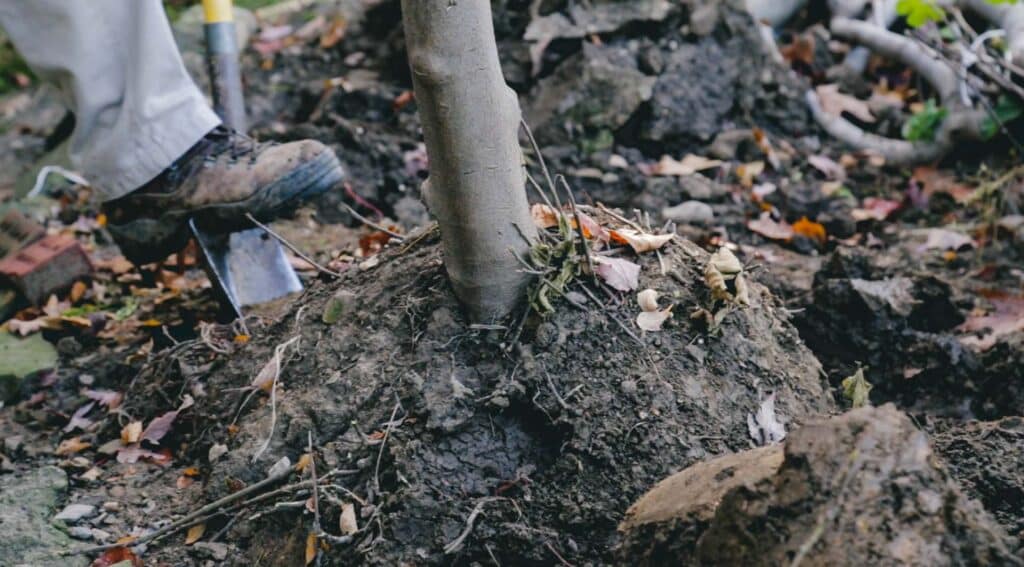
- Dig around the root ball, such that the tree is loosened and the trunk can be fully tipped over and laid onto the ground.
- Cover the entire tree from top to bottom with burlap fabric to protect the branches, trunk, and root ball.
- Add wood pieces that act as a separator to allow circulation and keep other plastic-type materials used from touching the tree and transmitting the cold, which would cause winter burn.
- Cover over the wood pieces with insulated cement-grade blankets.
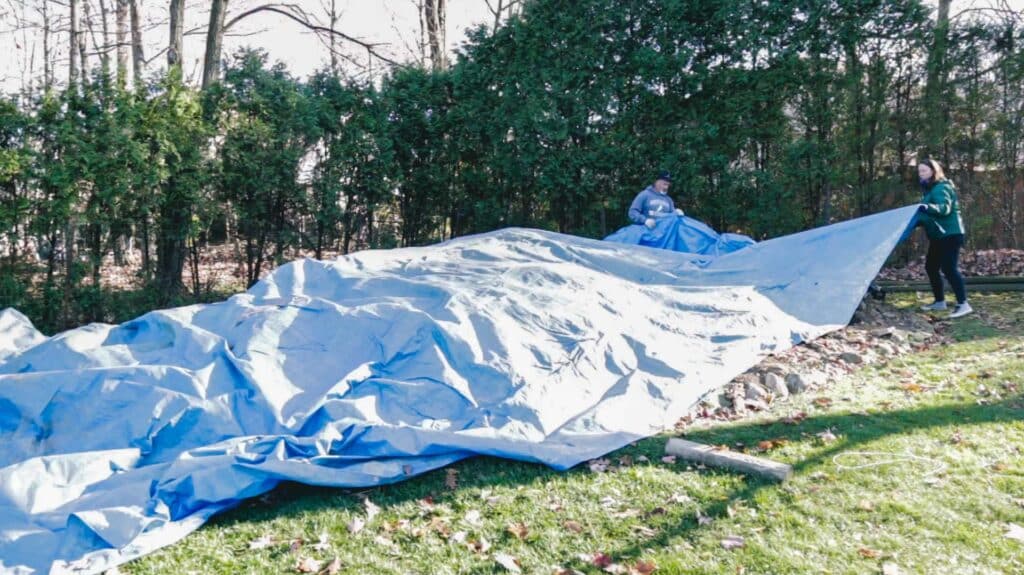
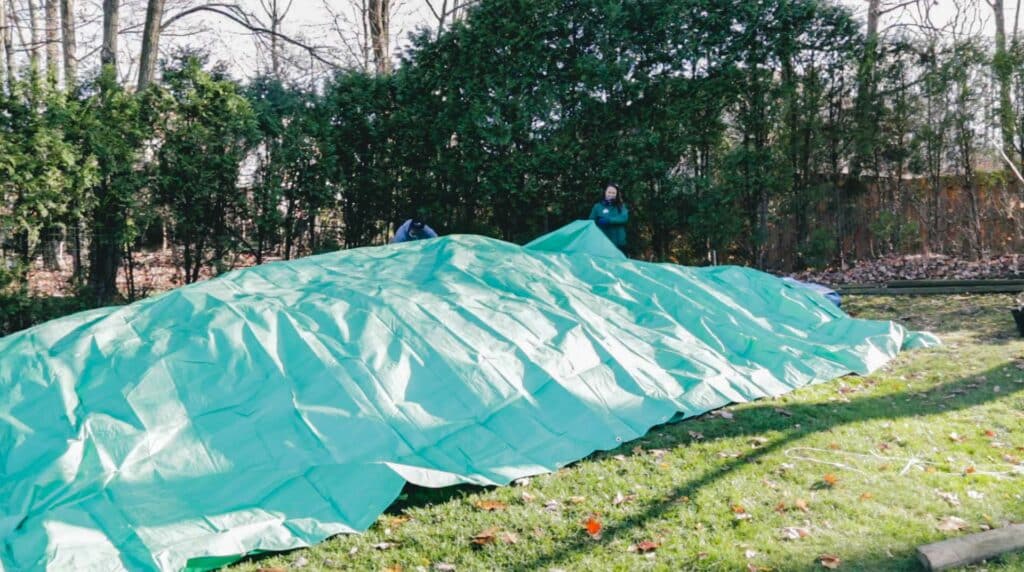
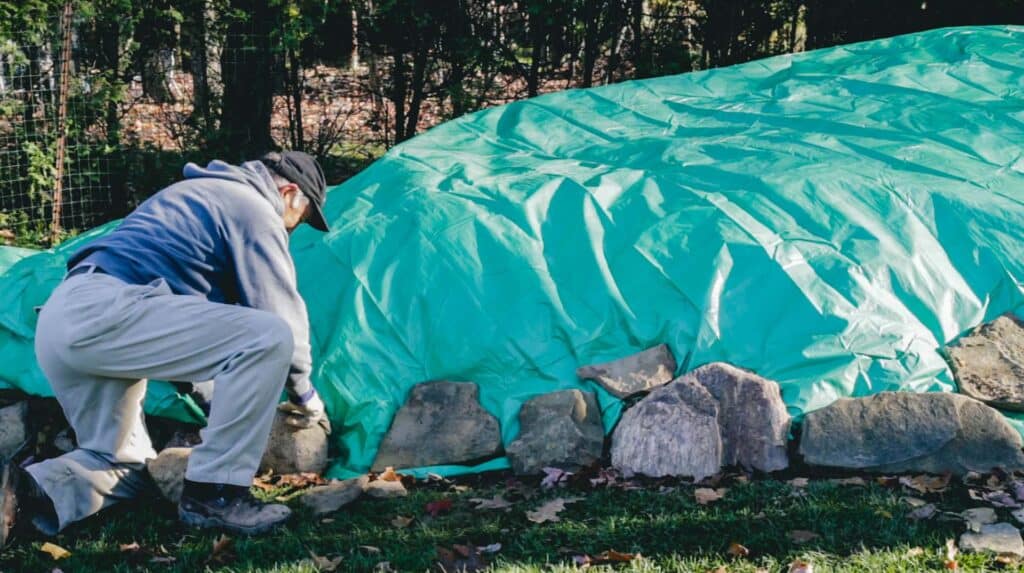
- Cover over the top of that with a heavy-duty tarp.
- Right around Easter, start removing winter protection and begin acclimating the plant.