
Brighten up grey, winter days in Northeast Ohio by bringing home some cheerful, indoor flowering plants for winter. We have 9 suggestions for you, including overviews of each plant family, care information, and tips for making the winter blooms last!
petitti grown houseplants
wintertime color
Bromeliads & Air Plants
(Cryptanthus spp.*, Guzmania spp.*, Neoregelia spp.* & Tillandsia spp.)
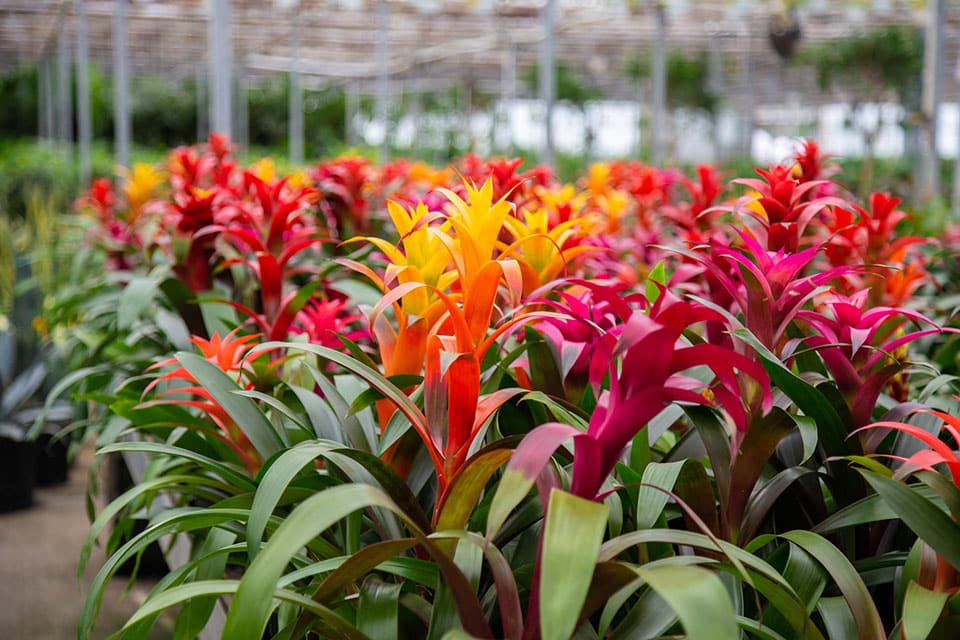
This enormous, exotic, and brightly colored plant family is easily identified by rosettes of foliage that form a central cistern or “vase” which catches water. You may be surprised to know pineapples and earth stars are members of this plant family.
Bromeliads prefer average to warm household temperatures (60-80°F) and bright, indirect light. Apply tepid water to the “vase” once a week, discard, and reapply every week. Keep the soil slightly dry. Increase humidity around bromeliads by grouping plants together, misting, or placing them on trays of moistened pebbles. Air plants only require spray misting once per week!
Feed March through September with Osmocote® or a half strength, multi-purpose plant food such as Miracle-Gro®, as directed on package instructions. Their colorful foliage will last for several months, and slowly fade when “baby” offset plants are forming. When this occurs, cut back the parent plant and continue to care for the “baby” plant as usual. Bromeliads make an excellent low maintenance gift and are wonderful air purifiers for the home or office. Many varieties are pet friendly according to the ASPCA.*
Kalanchoe & Calandiva®
(Kalanchoe blossfeldiana)
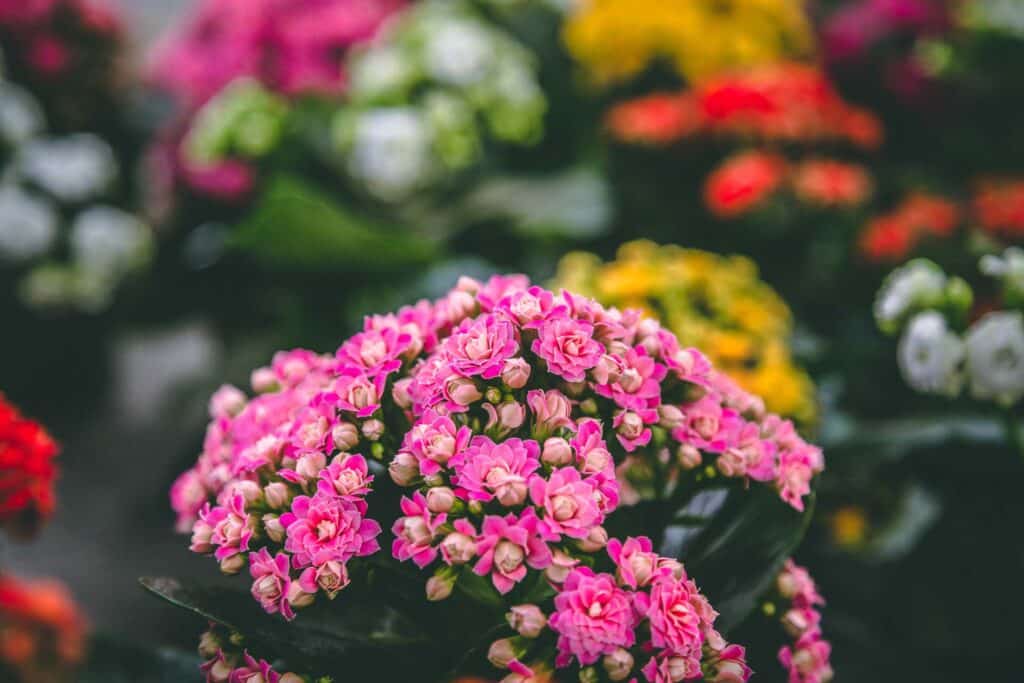
Bright and colorful, these easy-care, blooming succulents enjoy some direct sun to bright indirect light indoors. Little watering maintenance is required but be sure to thoroughly apply water when the soil is dry to the touch. In winter they can go bone dry in between watering, brown leaves or leaf drop indicate they are too dry.
Feed spring through fall with Osmocote® to promote their natural bloom cycle in the late winter and early spring. Clip spent flowers and pinch foliage back a few nodes to keep a compact, pretty plant indoors year-round. They like a wide range of temperatures starting at 55° F and up. Kalanchoe, pronounced (kal-un-KOH-ee), produce an abundance of red, orange, yellow, pink, magenta, or white flowers including the showy, double flowering varieties known as Calandiva®. Plant them with other drought tolerant succulents in a trendy pot.
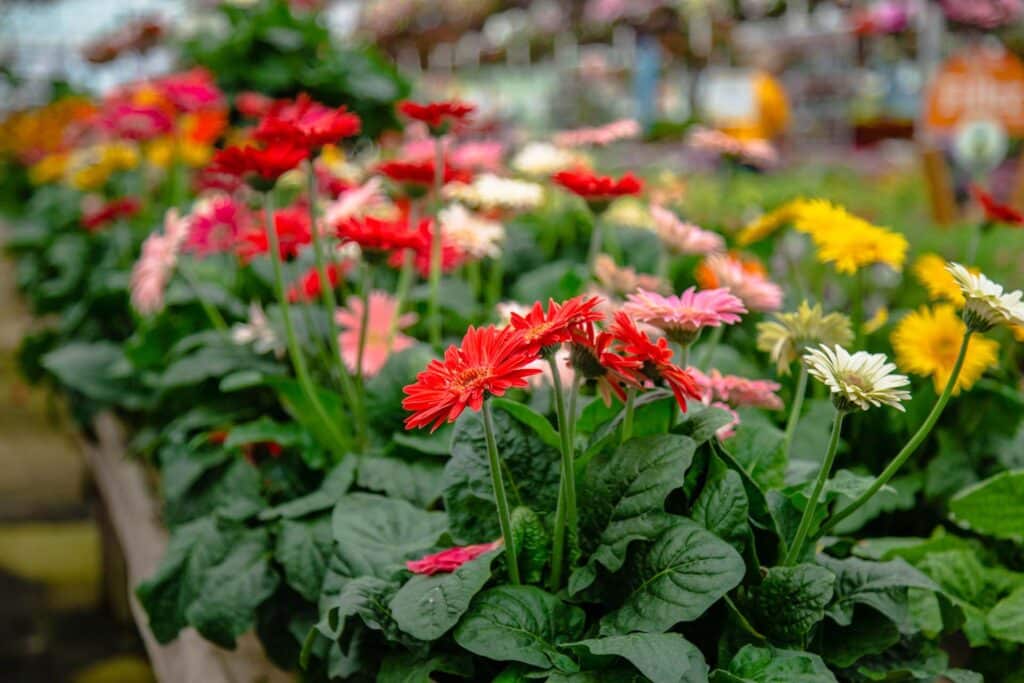
Gerber Daisies
(Gerbera jamesonii*)
This cheerful, showy daisy comes in a rainbow of colors and prefers a part day of direct sunlight through a sunny window (eastern exposure preferred), or bright indirect light (northern exposure). Watering should stay on the average to slightly dry side indoors and out. Fertilize spring through fall with Osmocote® and they should continuously bloom producing one bud at a time. Remove spent flowers and unsightly foliage as needed. They appreciate normal household temperatures (60-80° F).
Gerberas make terrific indoor air purifiers and should be placed where you spend most of your time reading, watching TV or sleeping. Outdoors, plant them in mid to late May in containers or the garden on the east or north side of the house to elongate the bloom cycle. They are also pet friendly according to the ASPCA.*
Miniature Roses
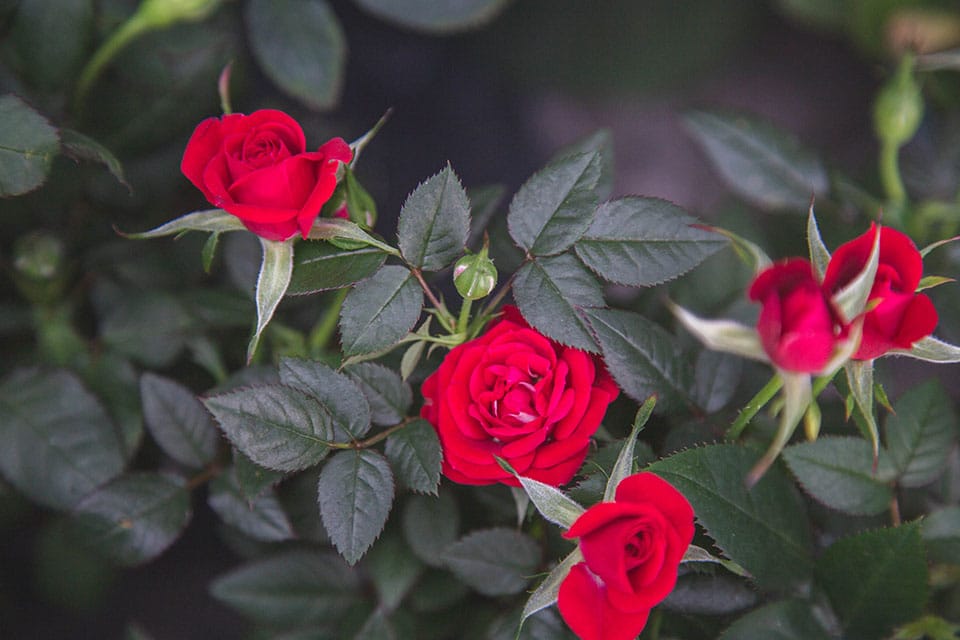
This giftable, adorable, tiny rose is a cold-hardy bloomer that will flourish in the garden come summer! In winter be sure it receives direct sun near a west or south facing window and temperatures around 60-70°F, avoiding hot and cold drafts. Supply consistent moisture when the soil surface is dry to the touch.
Feed March to September with Osmocote® or a liquid rose food. Remove flowers as they fade by cutting the stem just above a five-leaflet leaf. Remove yellow foliage, diseased, damaged or dead areas regularly. Scout for spider mites and other pests; apply Bonide MiteX®, an insecticidal soap or Neem oil to correct the issue. Plant these adorable roses outdoors in containers or in a sunny garden around mid to late May after slowly acclimating them to the sun.
Florist Azaleas
(Rhododendron indicum)
These forced, non-hardy azalea varieties are meant to be enjoyed indoors, as a colorful houseplant for approximately 3-4 weeks. Expose them to bright indirect light, average, consistent soil moisture, high humidity, and cooler indoor temperatures (55-65°F) for longer lasting blooms. Protection from heat vents and drafty areas is essential. Deadhead spent flowers as they fade. Their dark evergreen foliage will persist year-round and can be kept in a container and transitioned outdoors for the summer growing season.
Fertilize azaleas with Holly-tone® or Miracid® as directed if desired.
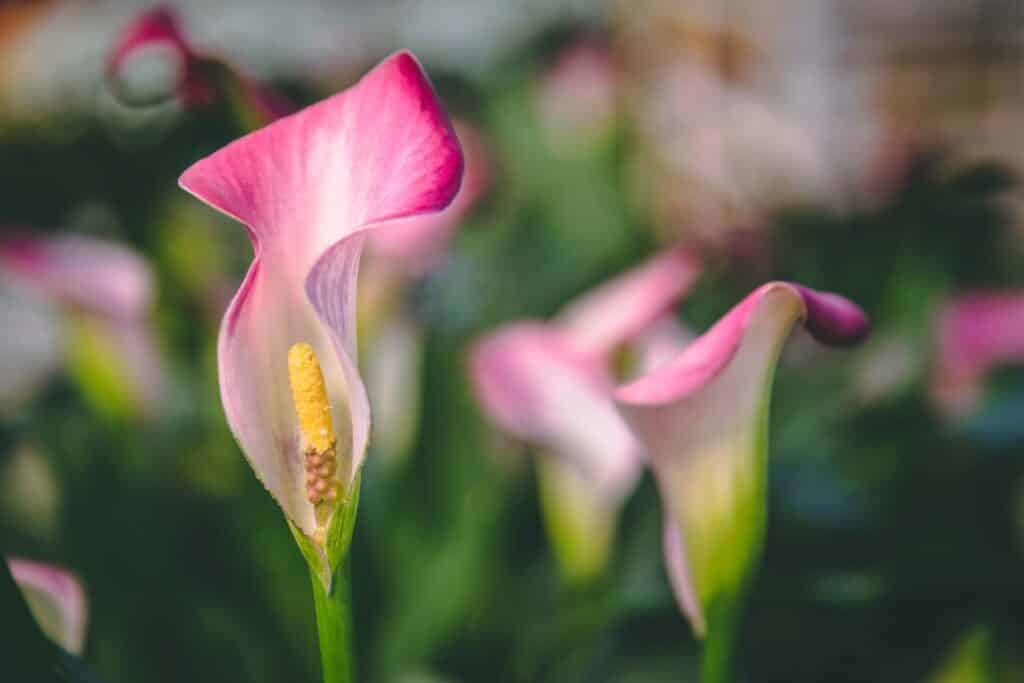
wonderful winter blooms
Achieving beautiful color indoors is easy and fun with winter flowering houseplants. In many cases, these plants can also be maintained year-round so that additional bloom cycles may be enjoyed. Shop our Houseplants & Indoor Pottery selection now, or visit any of our ten locations to experience our plants in person.
View Printable Guide