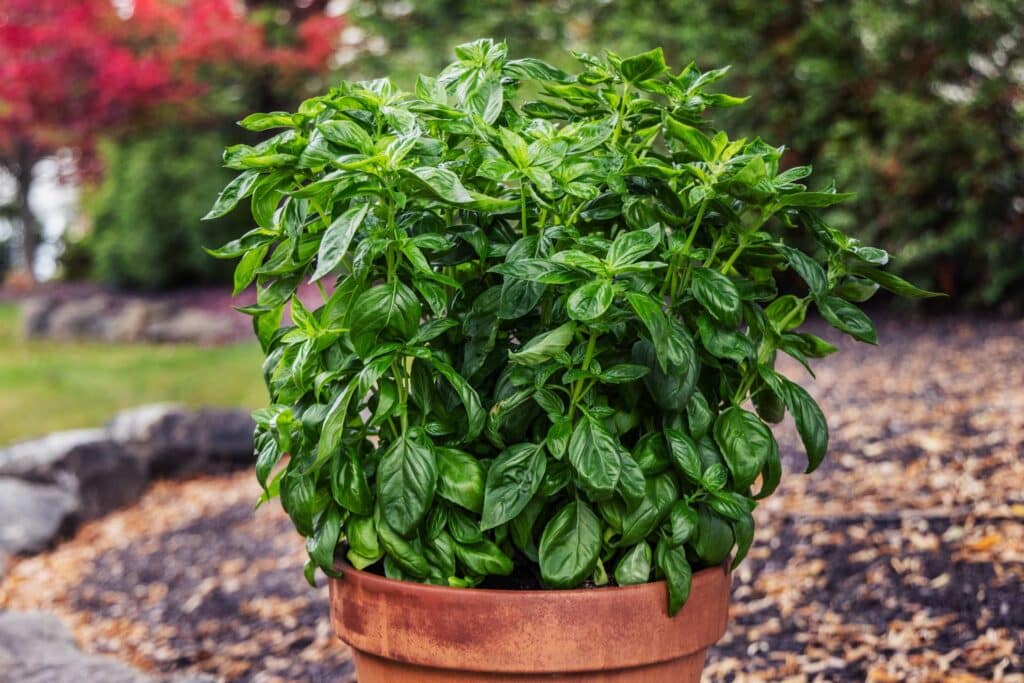
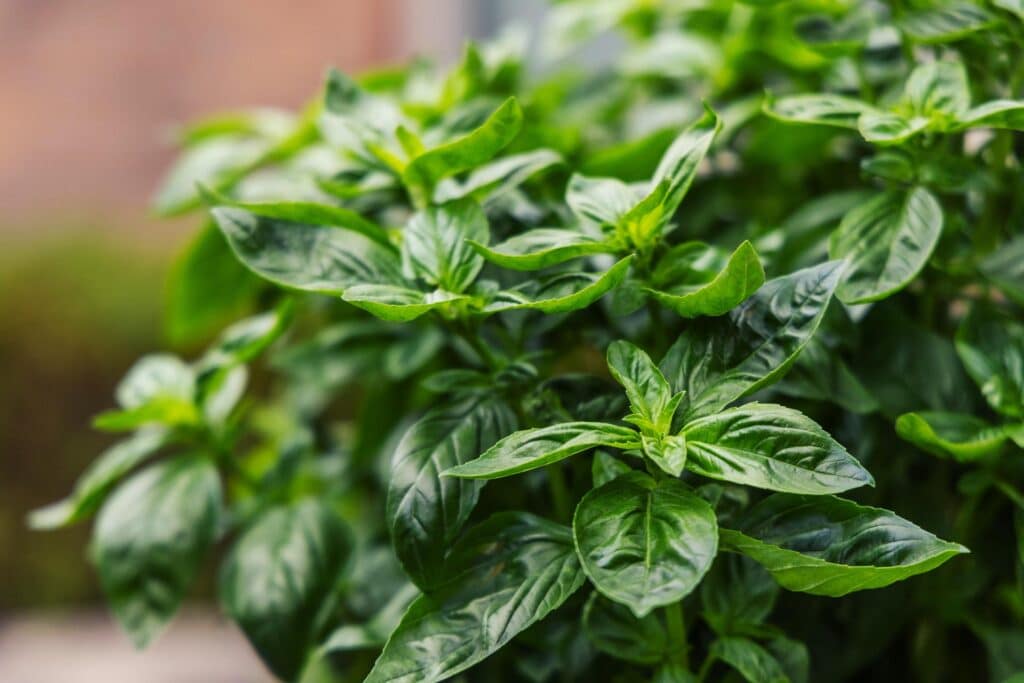
The king of culinary and fragrant herbs, Ocimum basilicum is one of the most popular, tastiest, and productive herbs, and it’s grown all over the world. All parts of the basil plant that grow above ground are edible. To achieve the best, most abundant harvest, whether growing basil outdoors or indoors, grow it in pots and meet its most basic needs.
Herb Gardening
Growing Basil in Pots
growing basil
tips & tricks
Light | Keep in full sun (6+ hours of direct sunlight).
Soil | Use well-drained soil such as Petitti Potting Mix.
Watering | Keep soil evenly moist to slightly dry. Try to keep the water off of the foliage to prevent disease issues.
Temperature | Basil is extremely sensitive to cold temperatures. Plant outside when temperatures stay consistently above 50ºF.
Fertilize With
Garden-tone®
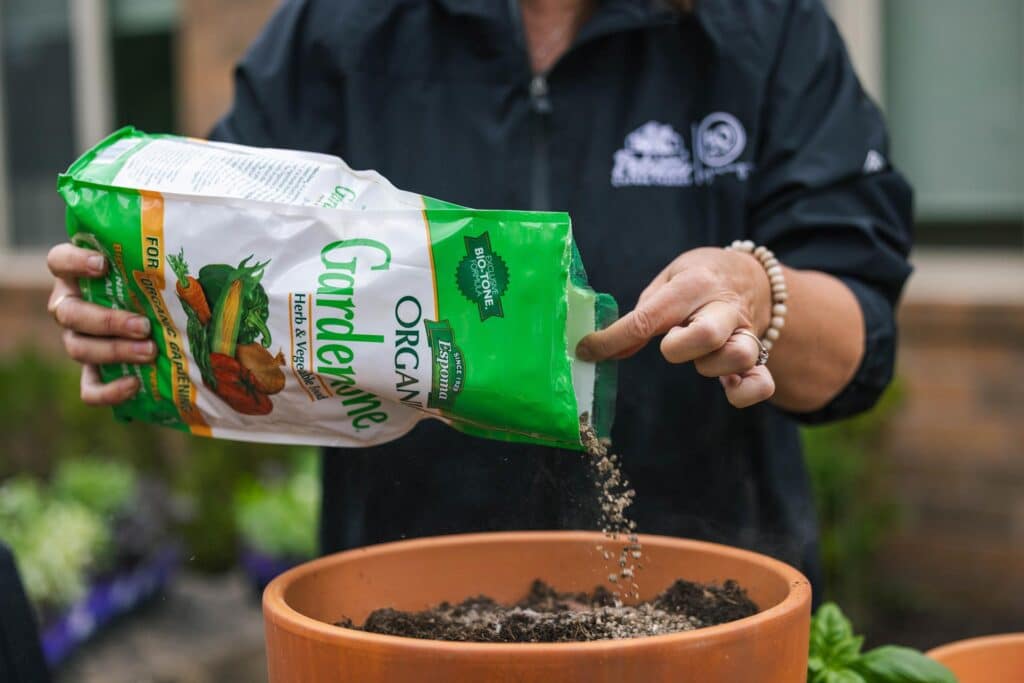
Mixing Espoma Organic® Garden-tone® into the top half of the soil at the time of the initial planting, then reapplying it monthly as a top dressing works to maintain a steady flow of organic nutrients to the plant.
basil care
Potting, Pruning & Harvesting
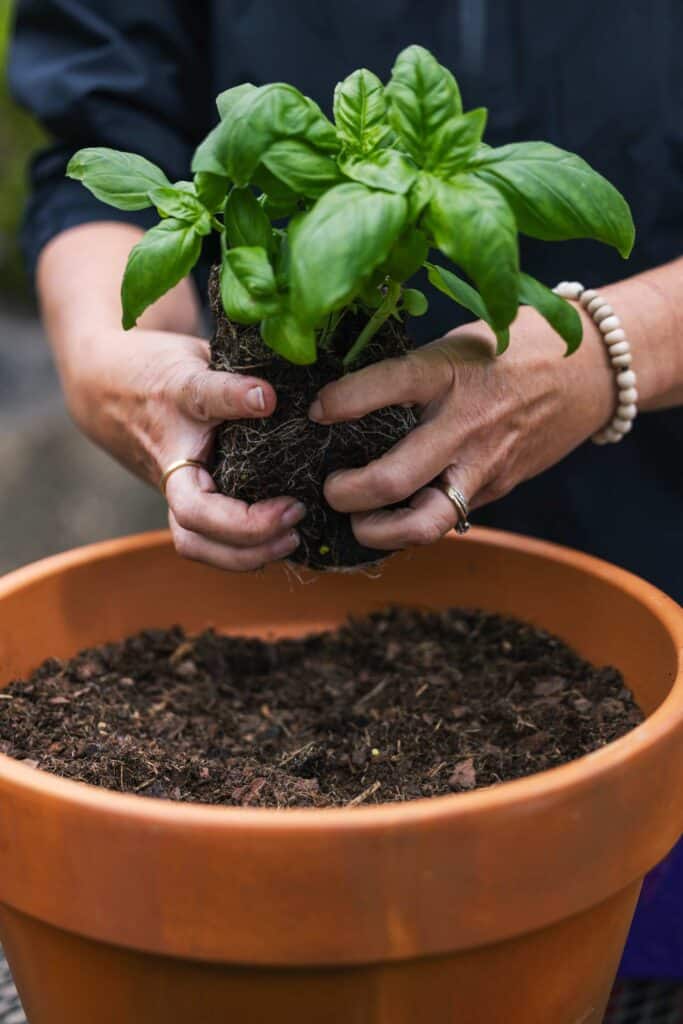
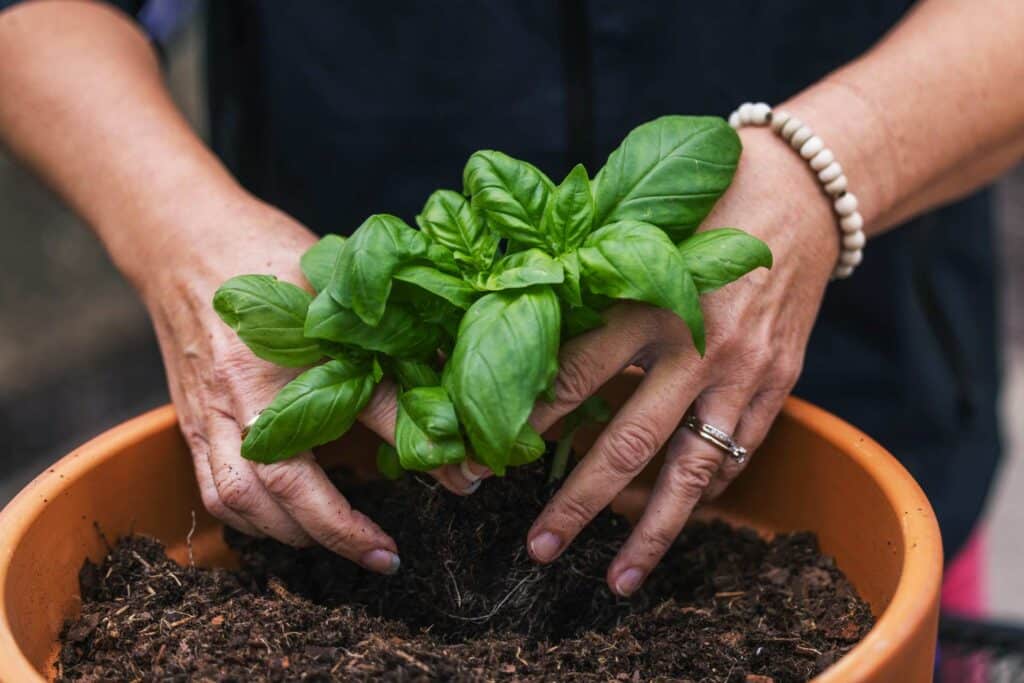
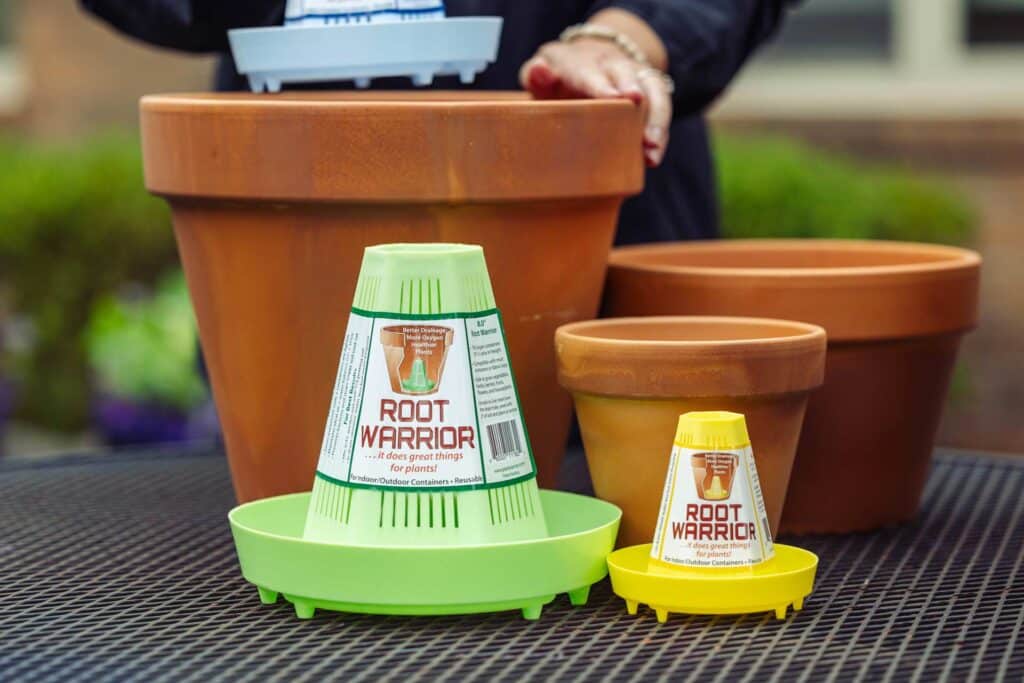
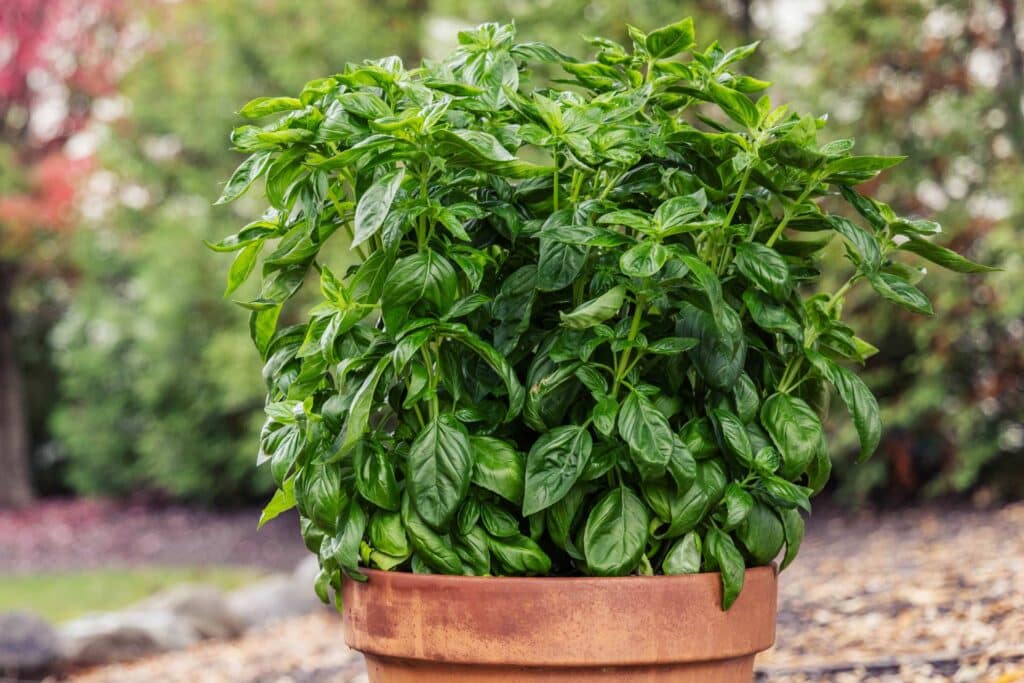
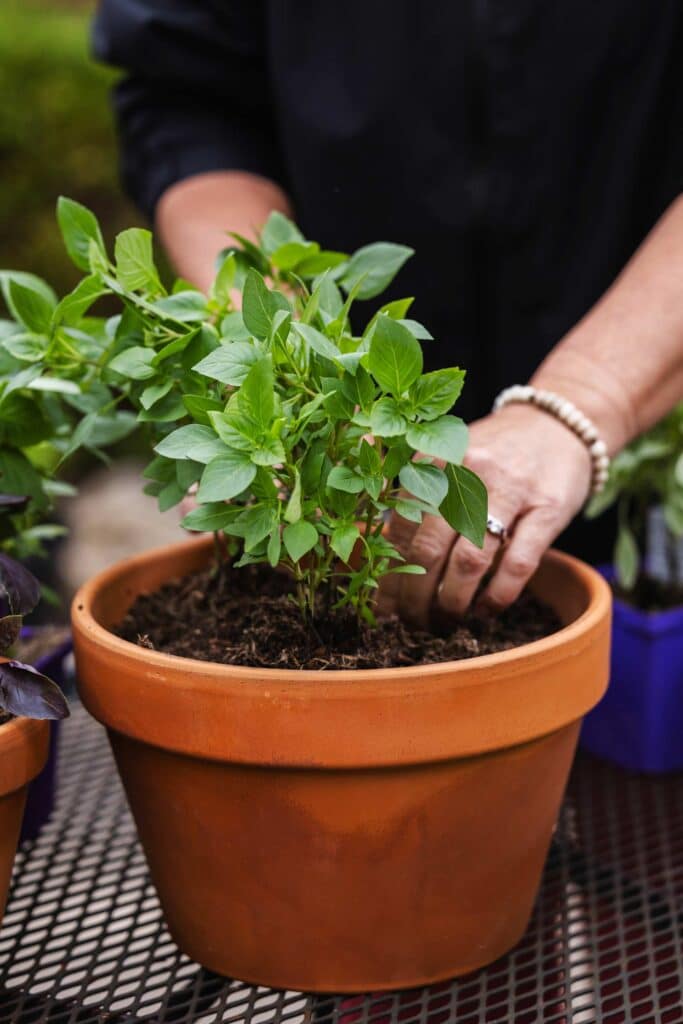
Potting | Well-drained soil is a must-have for growing basil in containers, and terra cotta pots with drainage holes make great vessels in which to grow. Adding a Root-Warrior™ assists with soil aeration, promotes root health, and mitigates the potential for disease issues
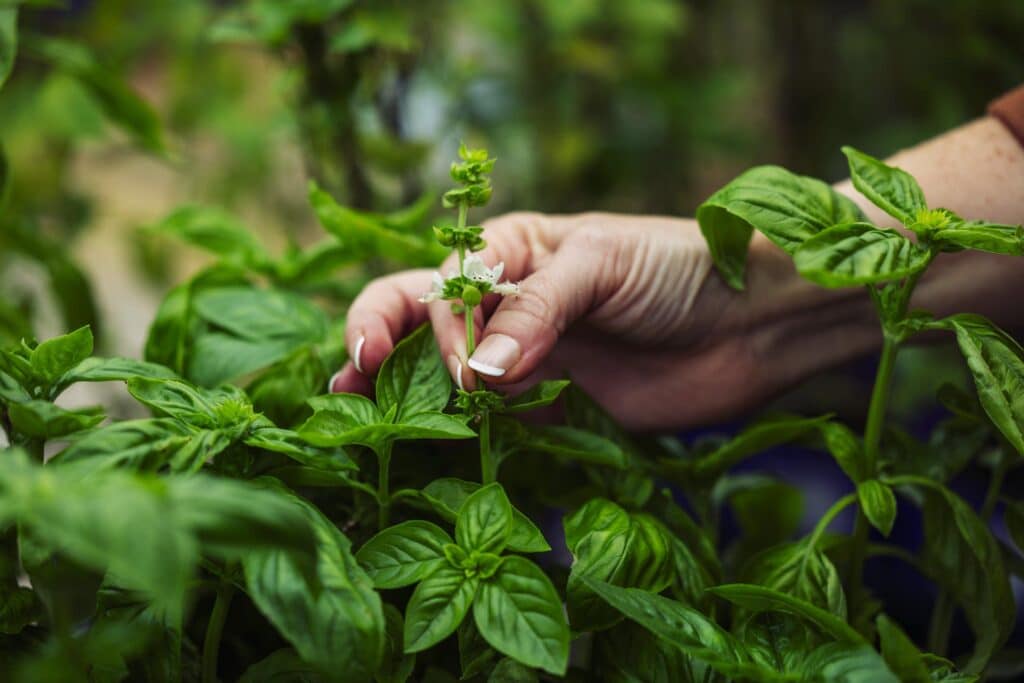
Pruning | Basil flowers are certainly edible, having a mild flavor compared to the leaves, but they need to be removed regularly. Flowers left to flourish zap energy from foliage production.
Harvesting | It’s always best to harvest in the morning when leaves are the most tender, removing one-quarter to one-third of the top growth to keep the plant vegetative, productive, and actively growing.
Enjoy the Harvest
Basil Pesto Recipe
Basil is best known for its rich clove to anise flavors that pair perfectly with tomato sauces and many Italian dishes, including fresh pesto.
4 varieties
to grow this season
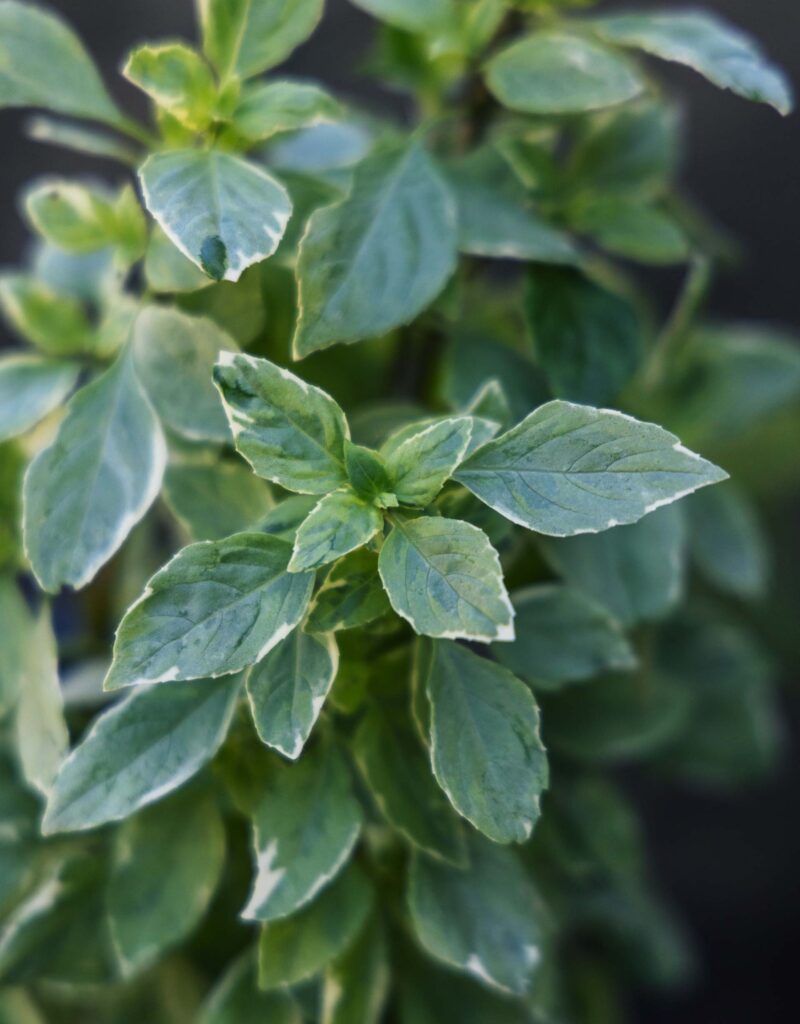
‘Pesto Perpetuo’ | A sterile variety with beautiful, variegated leaves, an upright growth habit, and a good, mild, lemon-anise flavor.
‘Genovese’ | A popular variety and an extra-large, Italian favorite for pesto and large-batch dishes.
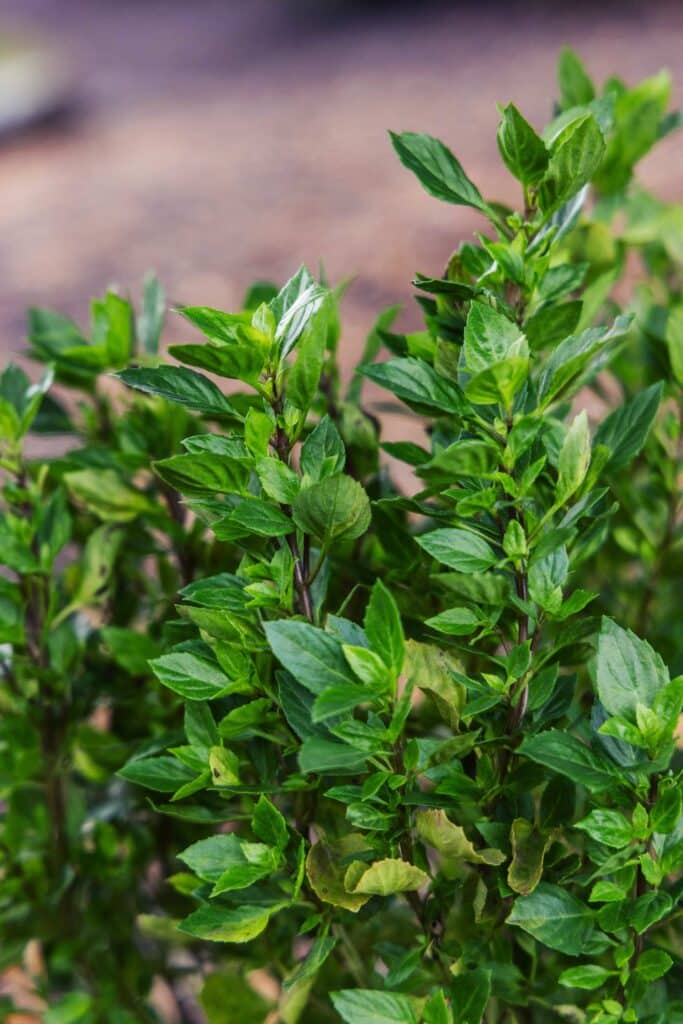
‘Greek Columnar’ | A strong, upright-growing, ‘thriller’ variety with a robust flavor.
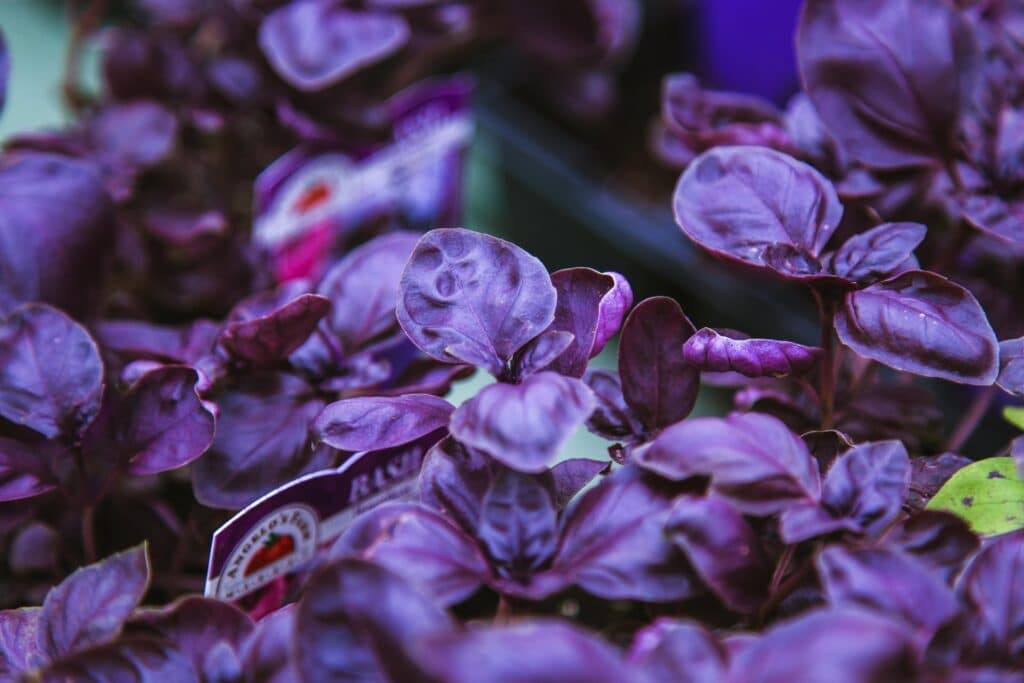
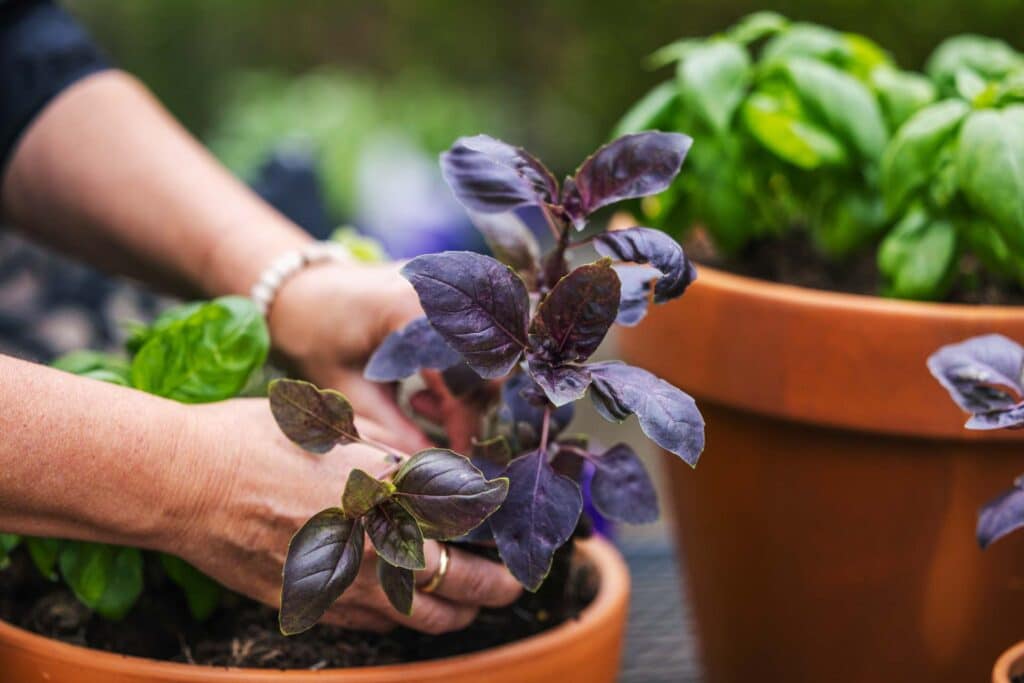
‘Amethyst’ | A sweeter, ornamental variety with beautiful dark purple foliage.
did you know?
- Basil’s native “roots” are from tropical Asia, and its use skyrocketed when introduced to Europe in the 1500s, then later in the Americas.
- It provides an excellent source of fiber plus Vitamins A, K, and beta carotene.
- Basil also benefits the body by way of its anti-inflammatory, antioxidant, and anti-fungal properties. Plus, it’s known to soothe an upset stomach and alleviate bloat.
- Its strong fragrance is said to repel flies in the home and garden.
a video guide to
growing basil
Growing basil in containers is an easy and rewarding gardening task that yields delicious results. Noelle shares tips for how to successfully grow Basil in containers, plus she spotlights 4 awesome varieties. Unlike many other herbs, basil’s flavor is actually enhanced by cooking! After growing and harvesting, Basil can be used fresh, air dried, or chopped and frozen in ice cube trays with water or olive oil. Watch this video with Noel for more tips on successfully growing and using fresh basil.
cook, store, enjoy
Basil can be air dried, but for storing fresh basil, it is frequently recommended to chop and freeze it in ice cube trays with water or olive oil. This freezing method preserves close to 100% of the plant’s fresh, delicious flavor and creates a convenience for tossing small servings into soups and sauces for a flavorful boost. Unlike many other herbs, basil’s flavor is actually enhanced by cooking.