World War I
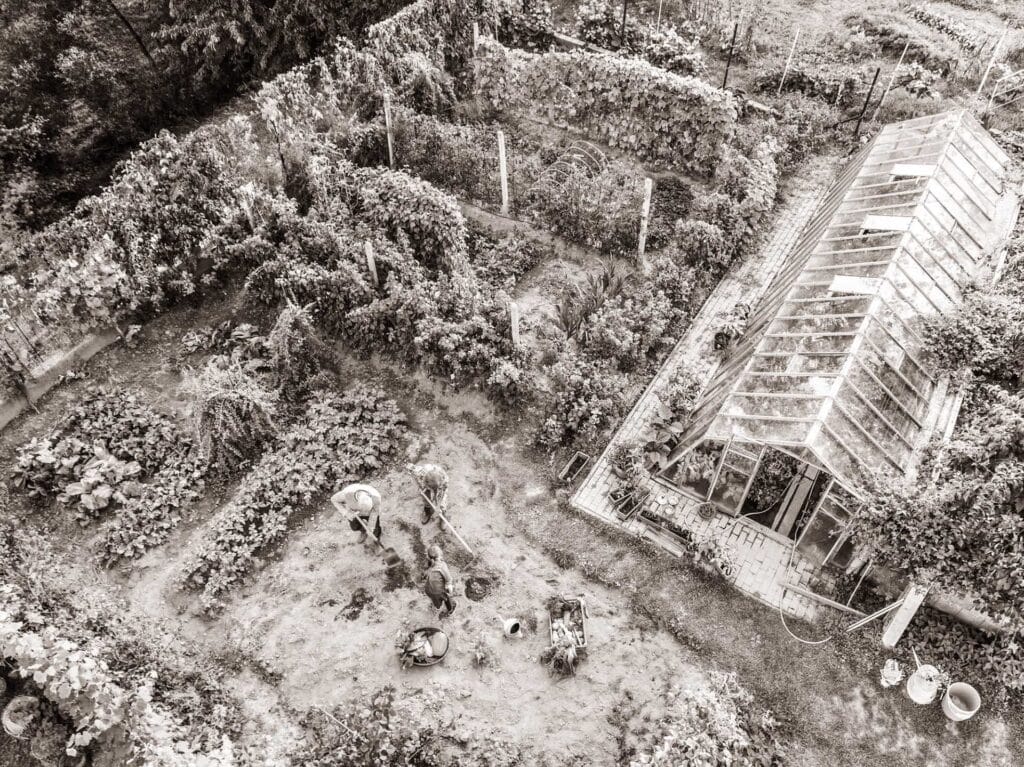
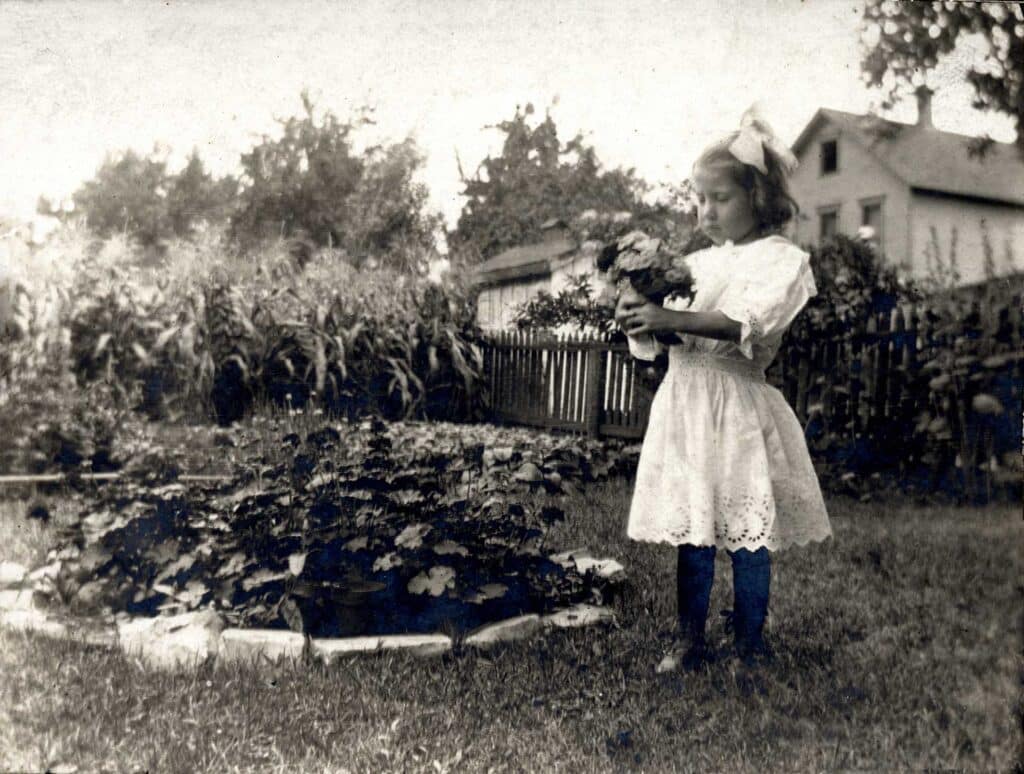
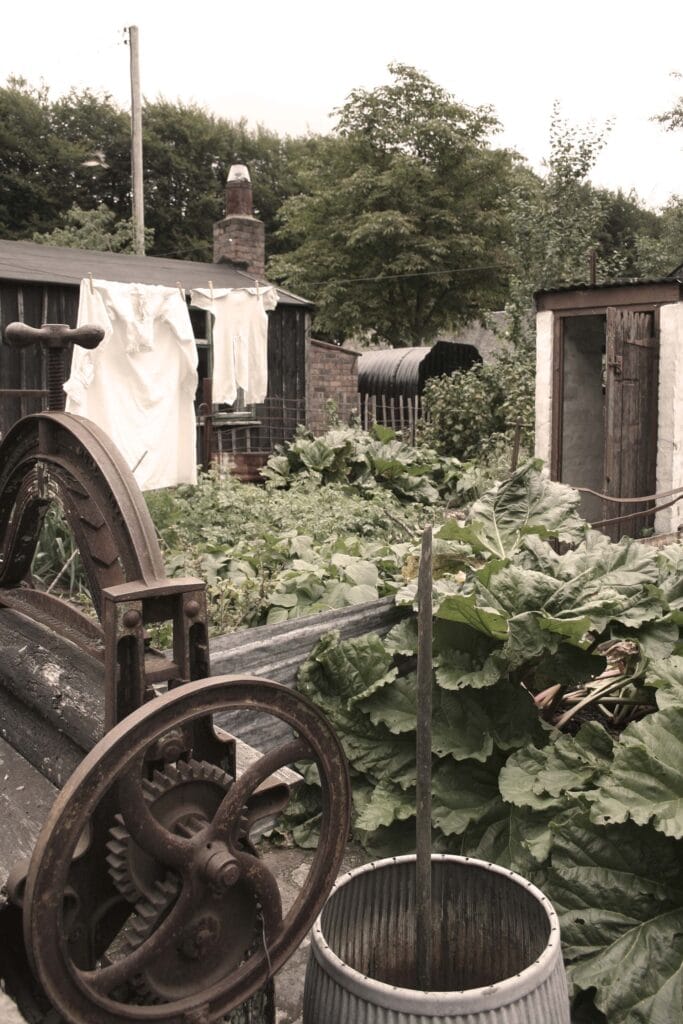
During World War I, a severe food crisis emerged in Europe as agricultural workers were recruited in military service and farms became battlefields. The burden of feeding millions of starving people thus fell to the United States. A commission was formed that encouraged Americans to contribute to the war effort by planting, fertilizing, harvesting, and storing fruits & vegetables so that more food might be exported to the nation’s allies. Private residences, school and business grounds, parks, and vacant lots were transformed into productive gardens and managed by members of the community to serve the purpose.
Propaganda rallying civilians to “Sow the seeds of victory” fueled the War Garden Movement, as it was originally labeled. Pamphlets were created and circulated that instructed amateur gardeners on the best crops to plant, how to sow, and how to prevent destructive disease and insects. Soon, due to the success, the topic of manuals quickly re-focused to educate on canning and drying surplus harvests.
3 million gardens were planted in 1917 and more than 5 million were cultivated in 1918. In total, they generated an estimated 1.5 million quarts of canned fruits and vegetables.
World War II
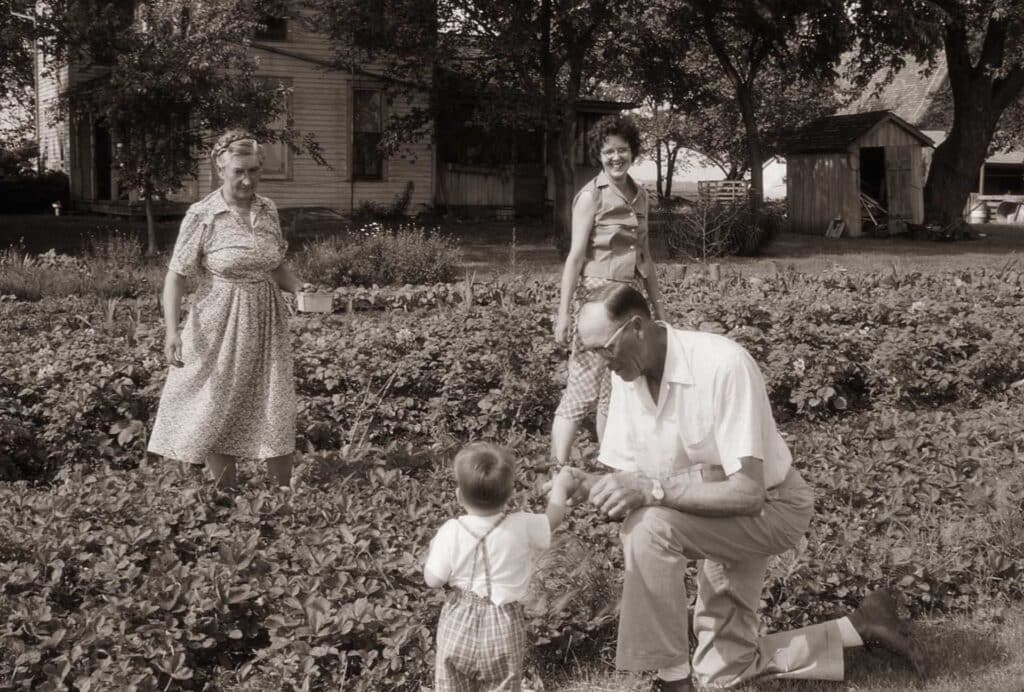
Shortly after the U.S. was drawn into WWII, victory gardens re-emerged, given commercial crops were being diverted to the military overseas. Food rationing within the country was introduced, giving Americans even greater incentive to grow their own fruits and vegetables. And this time, they used whatever they could find – small flower boxes, apartment rooftops, and lots of any size. Resourceful and resilient! Sound familiar?