
We all have been learning a lot these last couple of years about what makes us happy and fulfilled. Many of us have turned toward caring for, collecting, and decorating with houseplants as a wonderful, readily available, and therapeutic pastime. These plants we can nurture, or sometimes neglect, personalize, productively propagate, and share. From creating lush tropical paradises to appreciating nature’s leafy eccentricities, houseplants help us connect with nature. They also provide year-round air purification and more restful ZZZs, enhance our creativity, and reduce our stress, which ultimately equates to happiness.
Houseplants Equal Happiness
The Resurgence of Leafy & Lush Plant Trends
Welcome to the
(Houseplant) Jungle
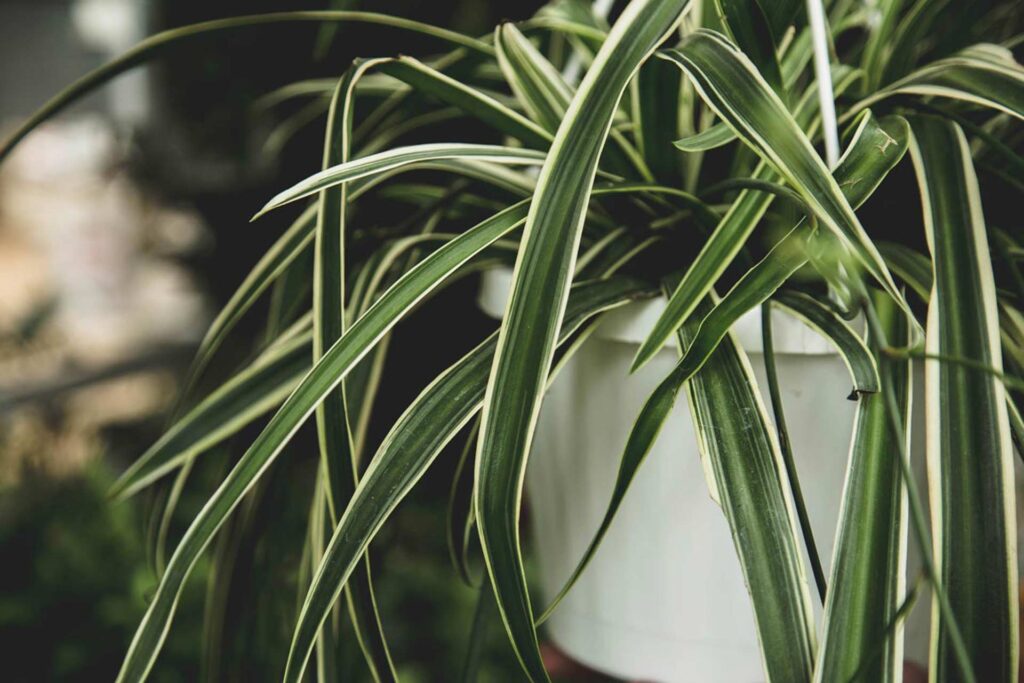
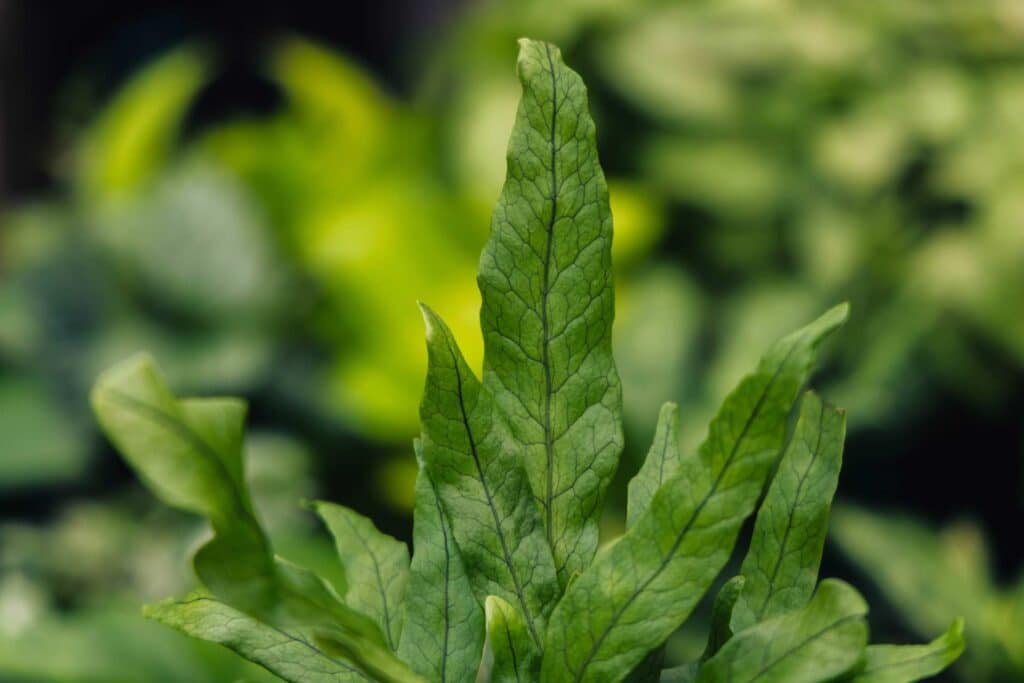
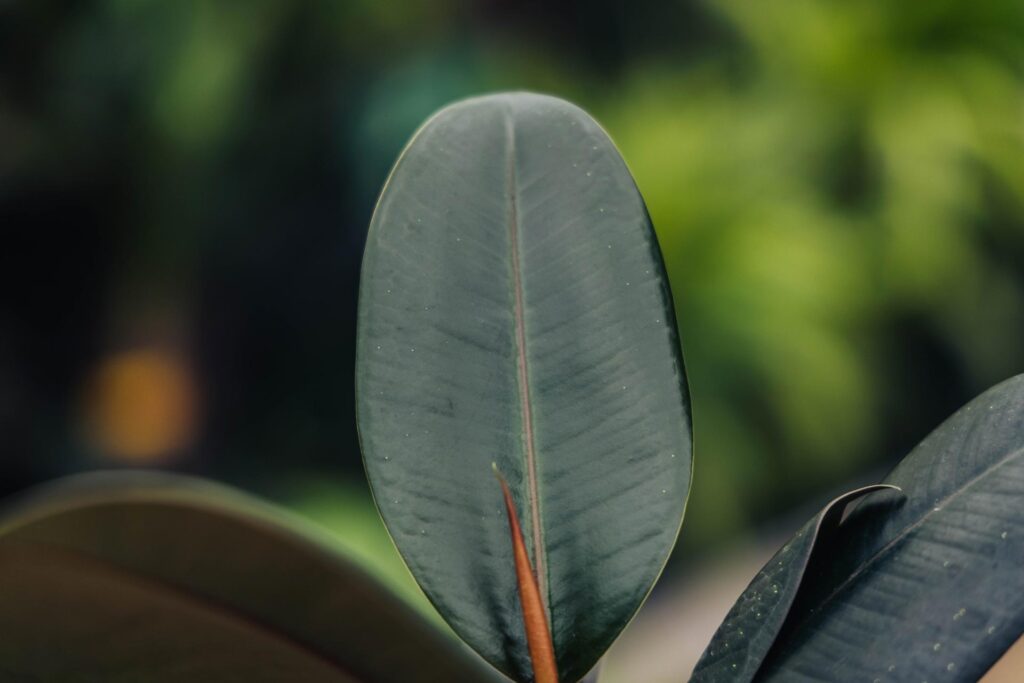
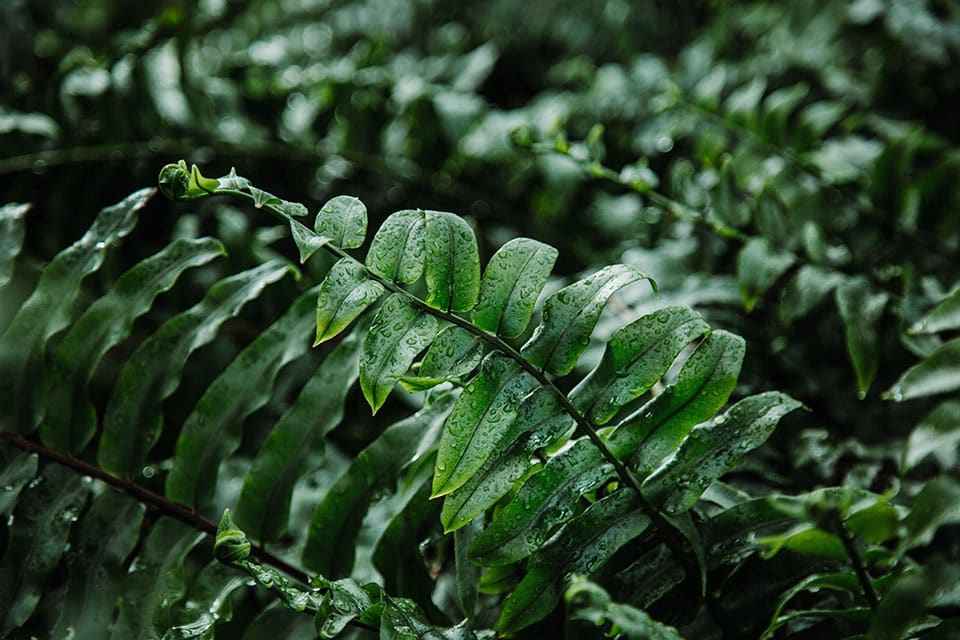
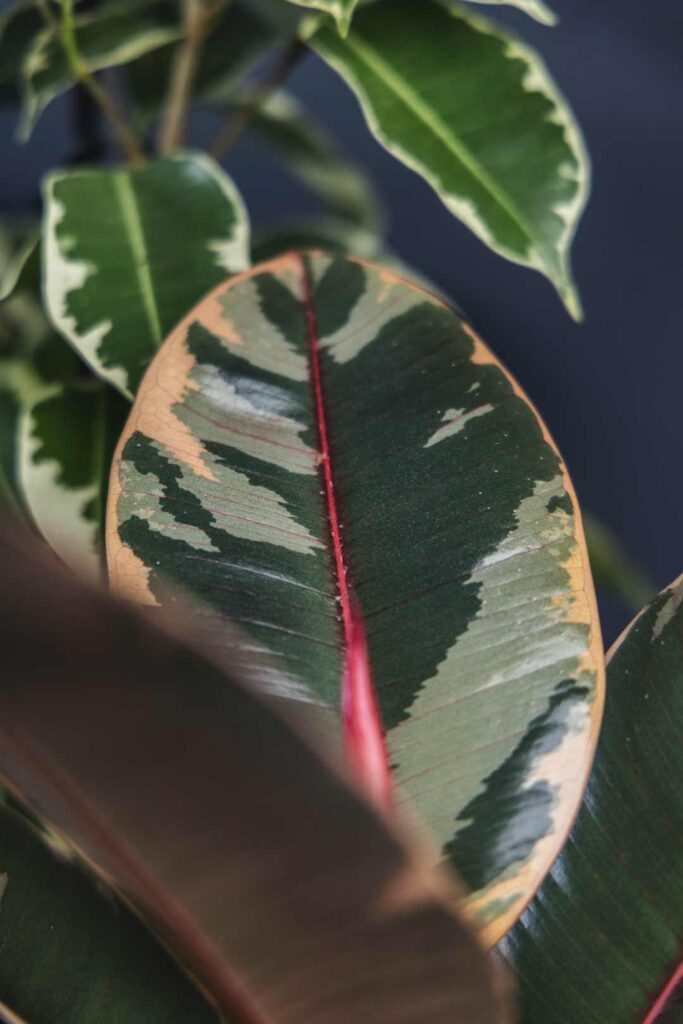
1970’s style, it’s back in a big way in the case of houseplants, providing nostalgic, good vibes with a bit of macrame thrown in. Can you dig it? to recreate this vintage style, just think Elvis’ famous Jungle Room. Maybe the green shag carpet and green ceiling are not your favs, but mimicking the lush, tropical foliage that surrounds one of his most inspiring and best-loved places is. Ferns, Philodendrons, and Spider Plants effortlessly green up and soften spaces, providing a groovy sense of calm and escape. Add a few macrame hanging plant holders filled with Pothos and Syngonium, along with some easy-care floor plants such as Ficus elastica (rubber plant) and Areca Palms, to finish this lush, tropical theme. Or, on a smaller scale, try placing one of these nostalgic houseplants in every room for a touch of jungle paradise and cleaner air throughout your home.
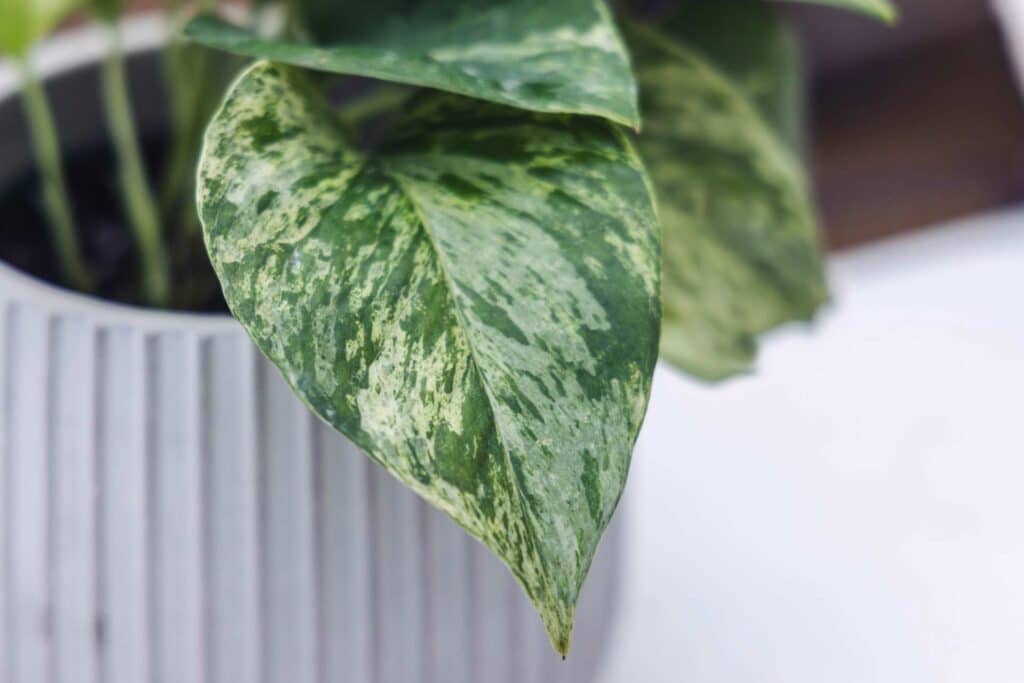
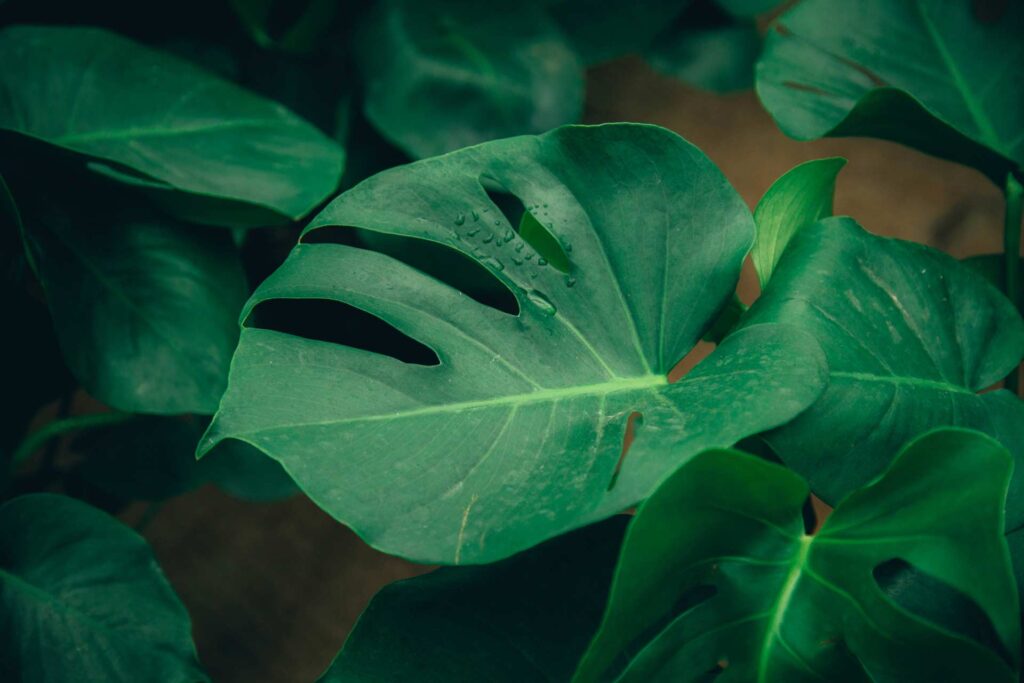
Monstera deliciosa is a prime example known worldwide as the “Swiss cheese plant”. This Central American native was first sought after by Victorian households, resurged from the 1950s through the 1970s, and is popular again today. Admired for its ease of care, its bold climbing habit, and its iconic perforated and split foliage, Monsearas of all different varieties are cherished by novice to expert plant enthusiasts. Look for the petite Swiss Cheese vine M. adansonii, perfectly situated in hanging planters, M. obliqua that is more holes (fenestrations) than actual leaf tissue, and the “mini Monstera” ‘Ginny’, an adorable Monstera relative with a compact growth habit better suited for small spaces.
-What are fenestrations? In Latin, the term translates loosely to “windows”, in botany, it describes foliage with holes, slits, and splits that are evolutionary leaf modifications providing benefits like increased sunlight and water penetration, air circulation, or even camouflage from herbivores.
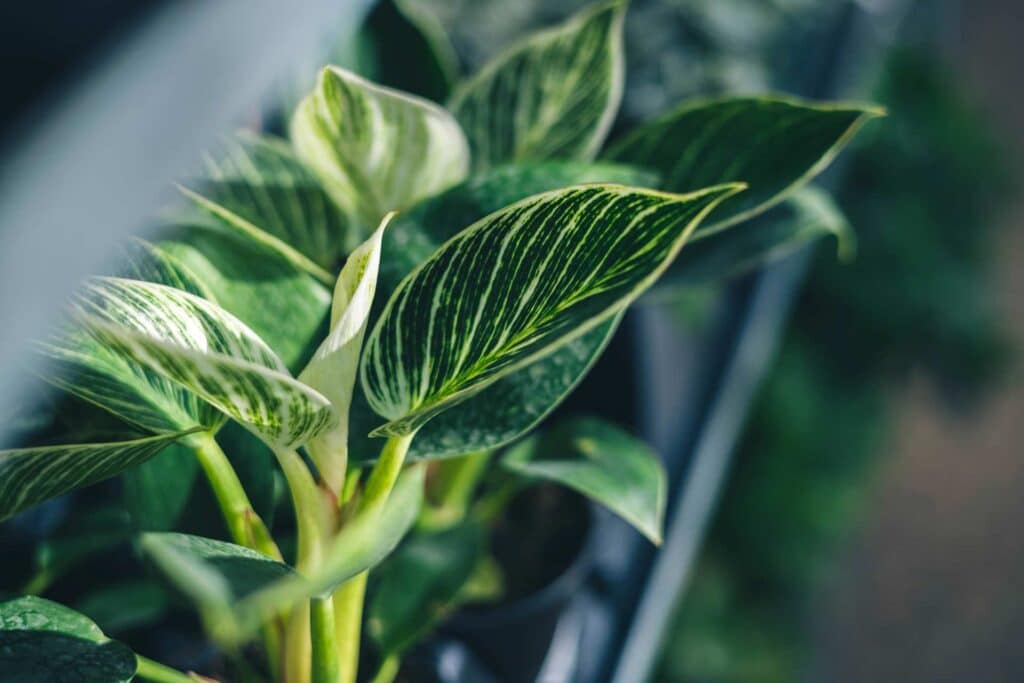
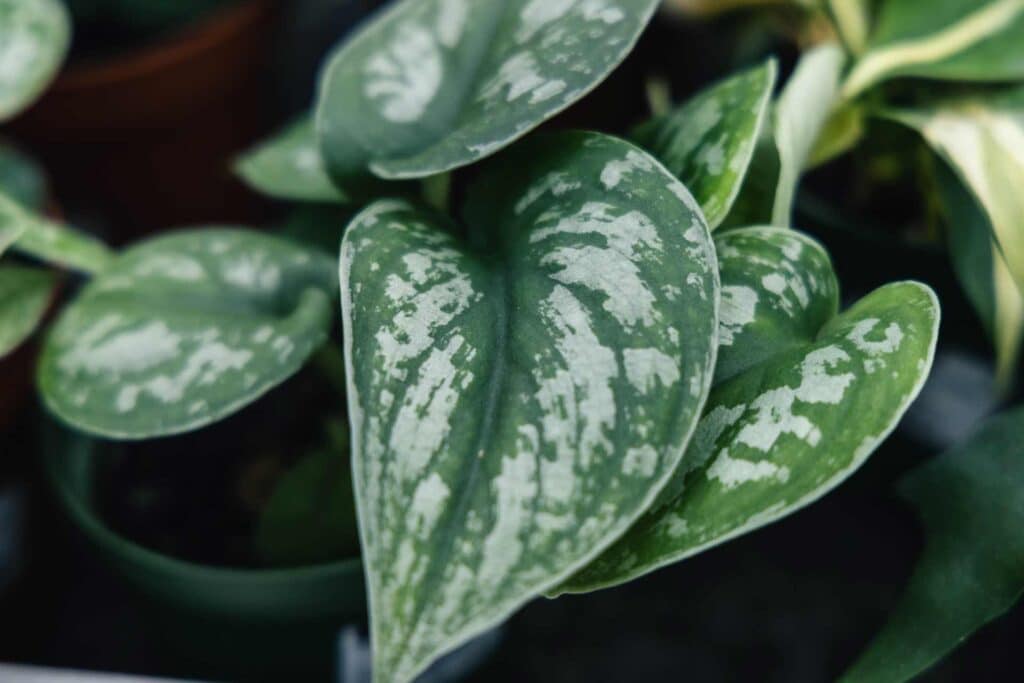
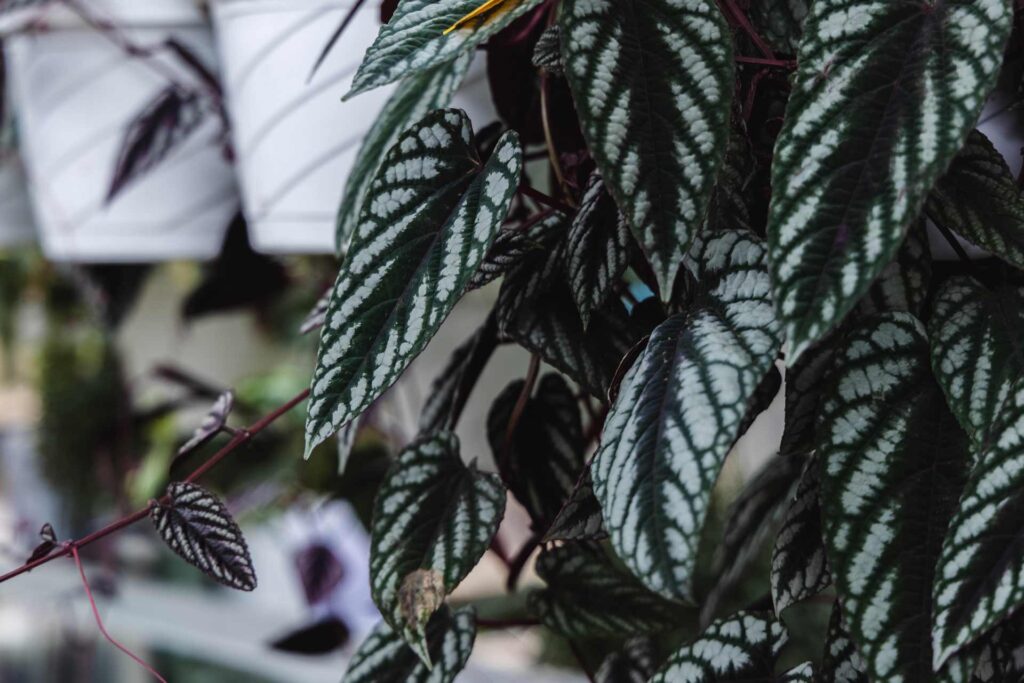
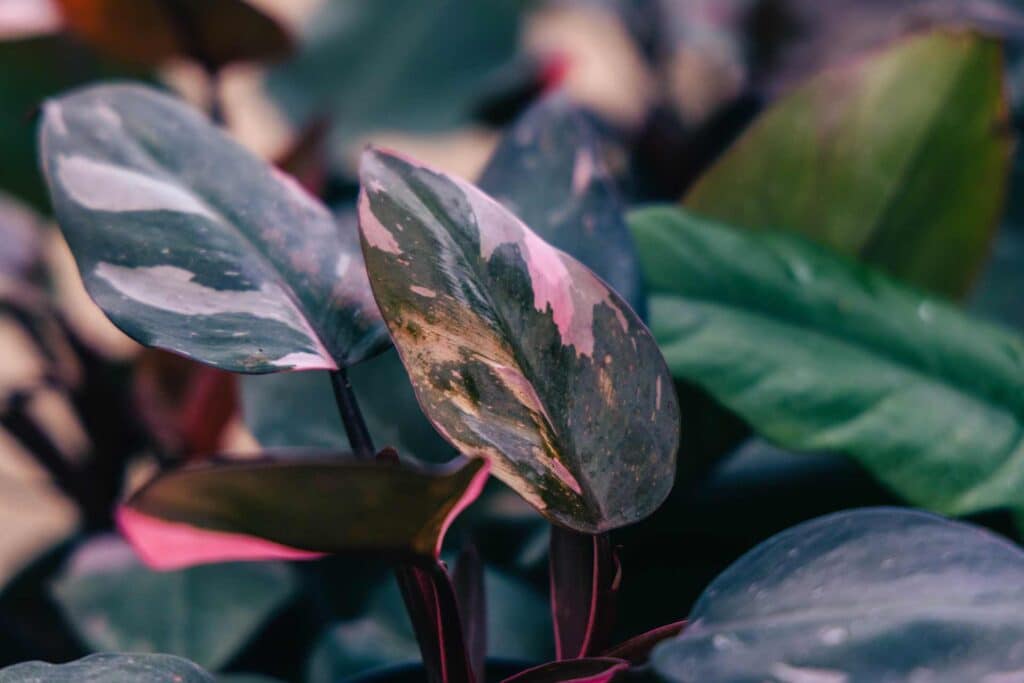
If unique, colorful foliage induces cheerfulness in you, take a look at some new varieties of Philodendron, Pothos, and Cissus. ‘Pink Princes’ Philodendron is a rare stunner with glossy green to deep olive leaves, artfully decorated with light to rose pink variegation. Another showstopper in the fantastic Philodendron family is ‘Brasil’, developing cheerful, heart-shaped foliage in bright, Kelly green with a sunny, golden, central blotch. It’s well suited for hanging in baskets and accessorizing shelves, along with two brilliant, non-fussy Pothos varieties, namely ‘Cebu Blue’ and ‘Silver Satin’. Both provide a little sparkle and reflective light to any room, and they’re easy to maintain in medium to bright indirect lighting with slightly dry soil conditions. One more colorful addition that impresses with its beautifully bold foliage, trailing to vining habit, and adaptability from indoors to out, is Cissus discolor (Tapestry, or Rex begonia vine). This relative to the grape ivy is a fast grower, readily twining throughout plant hangers and over trellises while producing narrow, heart-shaped leaves bordered by prominent, silvery white markings, along with violet-purple undersides and stems.


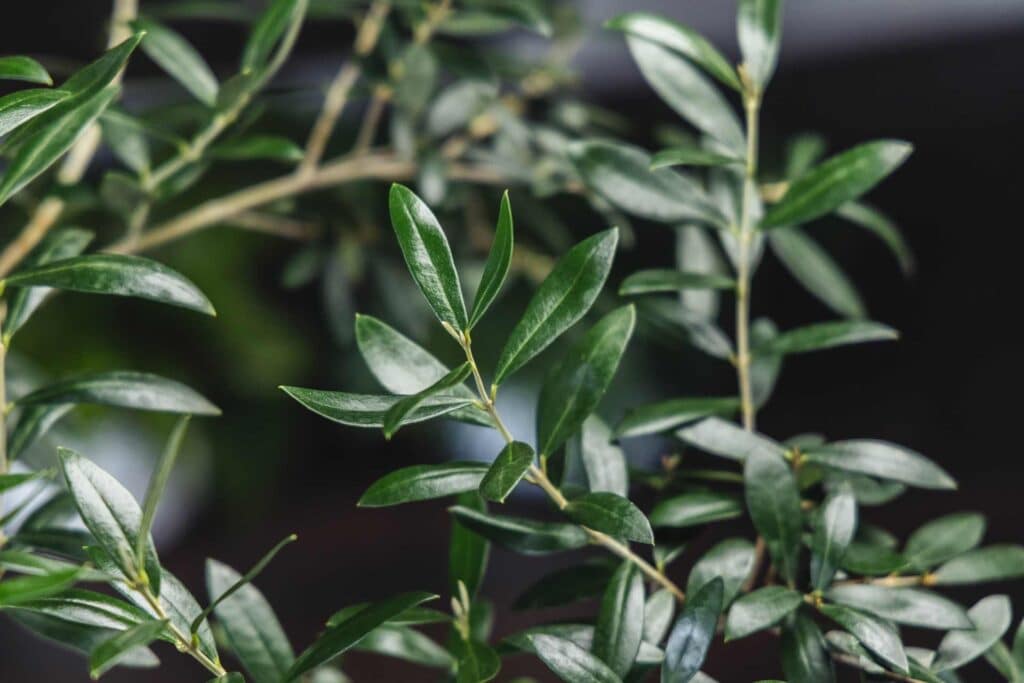
And, if your tropical paradise is not complete without a touch of the Mediterranean, try your hand at growing an ‘Arbequina’ Olive or one of the many sweetly fragrant and fruiting Citrus varieties. Both olive and citrus trees are sub-tropical, self-fruitful plants that grow well in Northeast Ohio because they are easily invigorated by our hot, humid summers, and they’re also capable of adapting to indoor growing conditions over winter. Be sure to provide both plant families with well-draining potting mix, average to slightly dry soil moisture, and average to high humidity, and fertilize with a slow-release plant food like Plant-tone® or Citrus-tone® during the growing season (April to September) per package directions.
Bringing Houseplants Back Indoors
Winter Care
Yes, you read that correctly, you can in fact keep (most) houseplants outdoors for our Northeast Ohio summers and bring them back indoors for the winter months. They prefer to be placed in a bright, sunny location offering temperatures of 50°F or higher. Protect them from spring frosts while slowly acclimating them to the outdoors late April to mid-May. Bring them back indoors mid-October, after allowing them to be exposed to a couple light frosts. Both plant families will reward you with lush, leafy growth plus flowers and fruit that will complement your other houseplants. Watch Noelle’s guide to transitioning your plants back indoors for more detailed information on the process.
Houseplant Spotlight
Clusia rosea, Autograph Plant
This exceptional foliage houseplant is a rather rugged, tropical tree/shrub native to the Caribbean. It’s so tough, you can carve your name into its paddle-shaped, medium green, thick, leathery leaves. Hence, it earns its alias, “autograph plant”. Often mistaken for Rubber Plant, Ficus elastica, this plant possesses a faster growth rate and a very distinct symmetrical branching structure. In its native habitat, Autograph Plant produces white to blush funnel flowers and fruit (balsam apple), but it typically does not flower or fruit indoors. Grow in bright indirect light with well-draining potting mix, and enjoy this easy-care houseplant!
Bringing it All Together
Like A Boss
From distinctive variegations to splits, slits, and holes, the more unique the foliage, plant lovers of all kinds are taking notice and embracing the fun, fantastic, and unusual tropical foliage plants that can be grown indoors year-round or enjoyed outdoors during the growing season in Northeast Ohio.
See the rest of our houseplants