
Forecasts predicting low overnight temperatures and clear, calm skies creates the scenario for a freeze/frost, which is perfectly fine for some plants but potentially harmful to others. No need to worry, though, we are here to help! Read below to see what you need to do to prepare your plants.
Late Spring Frost or Freeze Alert
What you need to know
veggies & herbs
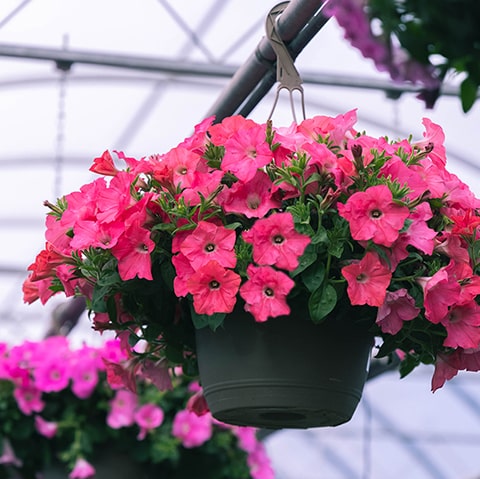
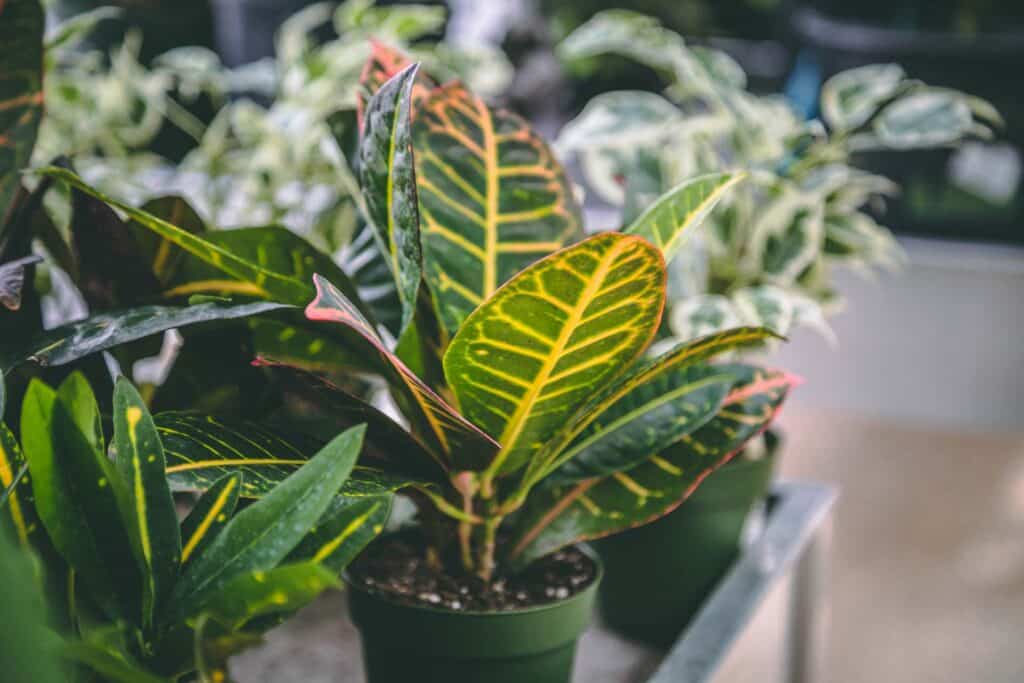
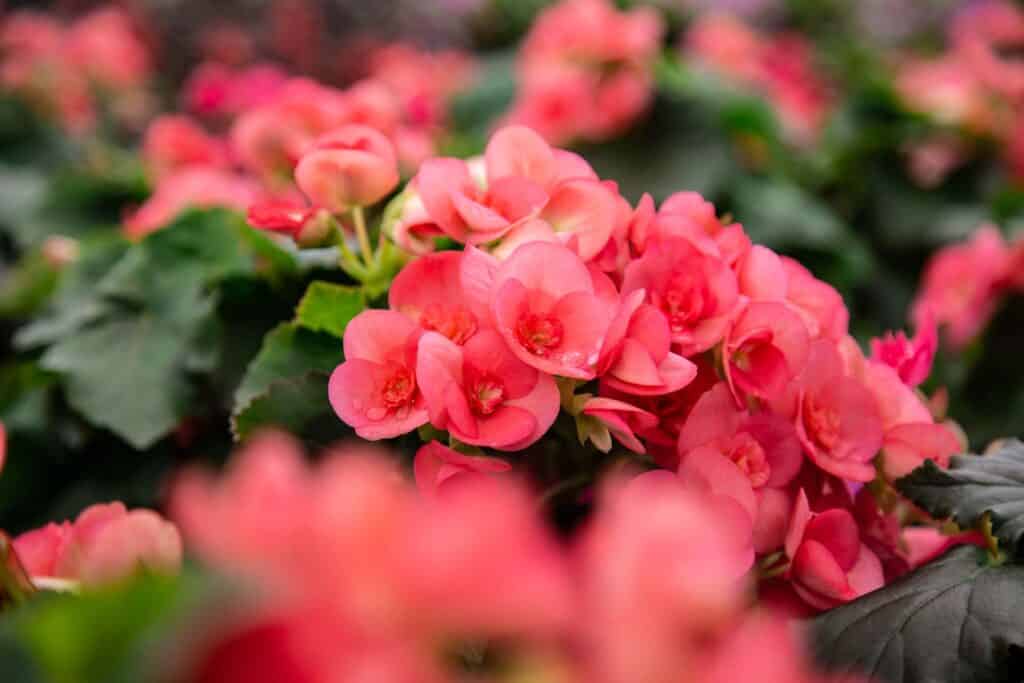
If the plant is a cold crop (lettuce, cabbage, kale, etc.), it does not need to be covered. Heat-loving veggies & herbs should be protected (tomatoes, peppers, squash, etc.). For these plants, if they are movable, like in a container or basket, bring them into the garage for protection.
For heat-loving veggies recently planted in the ground, we recommend watering them thoroughly ahead of the frosty cold weather. Damp soil holds more heat and hydrated plants handle cold stress better. We also suggest using Harvest-Guard® Frost Cloth and weighing down the edges to prevent any breezes from uncovering them. Do not use plastic material like a garbage bag because it transmits the cold. In a pinch, bed sheets or newspaper may work.
Differentiating Cold Crops & Heat Lovers


bringing it all together
May 15 is Northeast Ohio’s average “frost-free date”. This means it is statistically unlikely a frost event will occur after that point in the season, so gardeners can typically feel comfortable planting their tender annuals, flowering tropicals, and heat-loving veggies & herbs in the ground and in outdoor containers as of mid-May. However, there are no guarantees on statistical estimates and microclimates, and so it’s always good to be educated and prepared!